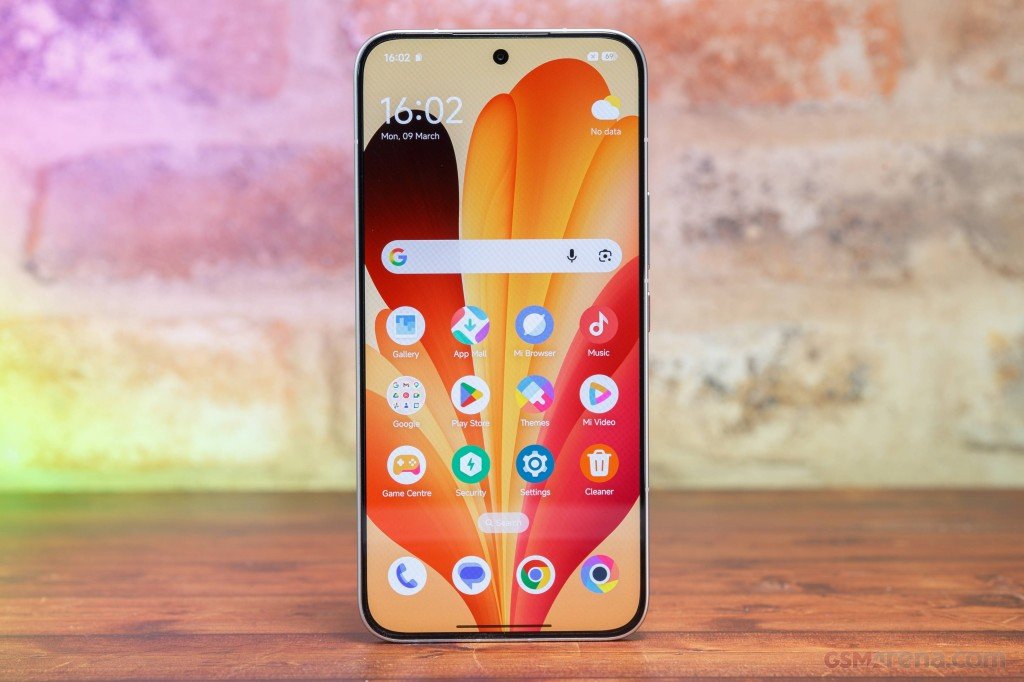

Here is the POCO F9 Pro Review where we give you the full breakdown of the device. The POCO F9 Pro and F9 Ultra just went global, and on paper these are flagship phones. Strip away the branding and they’re the Redmi K100 Pro and K100 Pro Max — same chipset, same screen, same cameras. The one thing global buyers actually lose is battery capacity. Performance doesn’t take a hit, but how that smaller battery holds up depends a lot on how you use the phone.
I’ve been on the F9 Pro for a bit now. A few things stood out.
POCO F9 Pro Review – Design
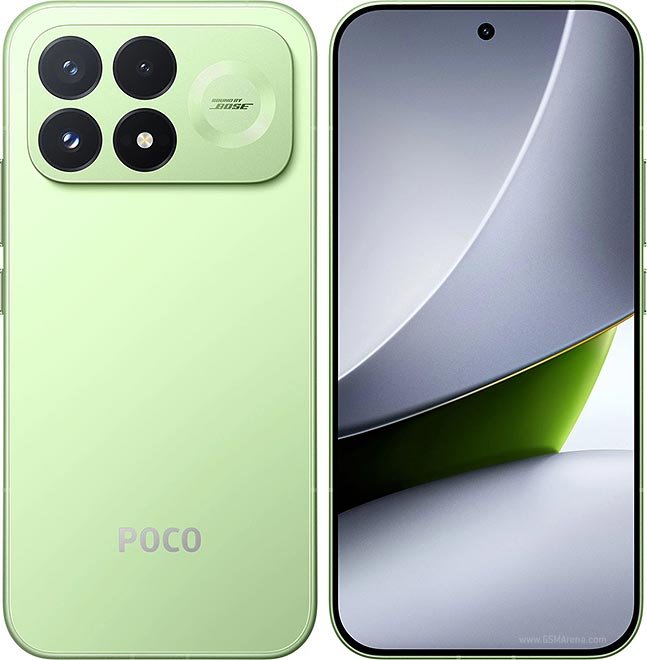
You get Black, White, or Aurora Green. Aurora Green is the one to get — the back has a fluorescent coating that glows faintly in the dark, not bright enough to be gimmicky, just enough to notice. Camera module’s upper-left, standard stuff, but there’s a BOSE logo next to it that adds a bit of visual character. It feels solid in hand. Eye-catching without overdoing it.

Display
This is where the phone feels best. Everything — scrolling, browsing, opening apps — is fluid in a way that’s hard to go back from. Colors are vibrant but not exaggerated, so video and photos still look like themselves. I put in a few multi-hour sessions reading and watching stuff and never got that eye-strain feeling.
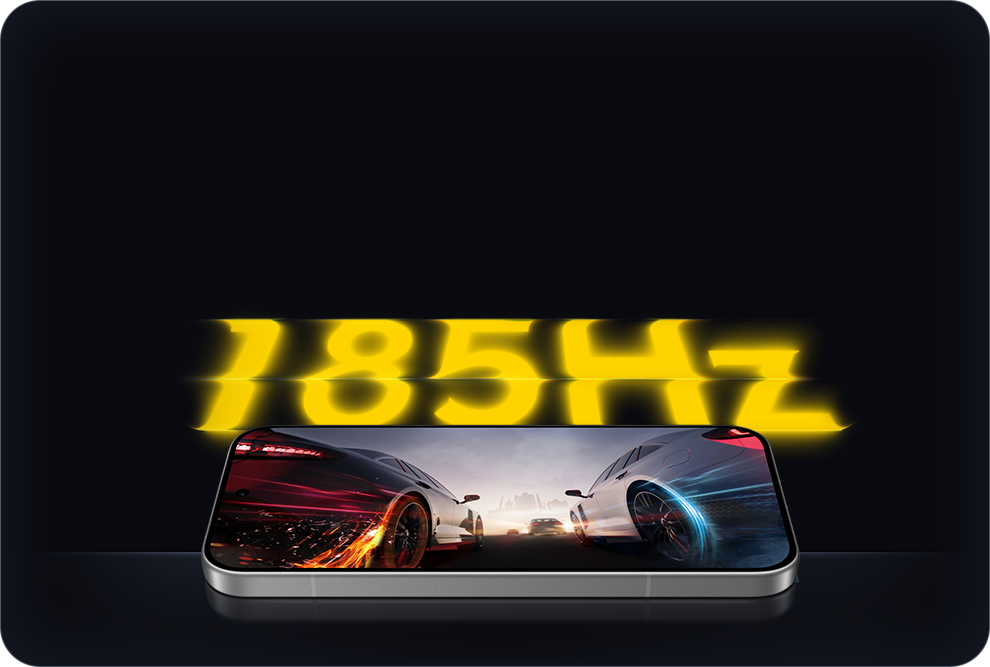
Gaming is where the refresh rate really pays off. Go back to a 60Hz screen after this and it feels sluggish. Brightness is fine, not amazing — outdoor visibility holds up okay. Slim bezels and a punch-hole camera mean the screen stays the focus.
POCO F9 Pro Review – Performance
The numbers are what you’d expect from a flagship — strong single-core, solid multi-core, respectable 3DMark and AnTuTu, though not the best I’ve seen. But benchmarks are benchmarks.
I ran Genshin Impact at max settings for 15 minutes and frame rate hovered near 60fps, with the occasional dip you’d only notice if you were staring at a counter. Heat spread out instead of building up in one spot, so it stayed comfortable.
Honkai: Star Rail told a different story. Wild Boost mode is smooth but eats more battery and runs warmer. Drop to Balanced and you lose noticeable performance — but the phone barely cools down. So Balanced mode is basically worse gaming for almost nothing in return. If smooth gameplay matters to you, just stay in Wild Boost and expect some warmth.

Cameras
Main, ultra-wide, telephoto. In decent light, the main camera nails detail and keeps colors looking real instead of oversaturated. Ultra-wide is good for fitting more in frame, though the edges soften a bit. Low light’s fine, nothing special. There’s a macro camera — fun for a day, then forgotten.
Honestly, the main and ultra-wide will handle most of what people actually shoot.
Battery
A day of gaming, streaming, and normal scrolling got through without me watching the percentage anxiously. Charging is quick — plug in during a short break, come back to a real chunk of battery. Heavy gaming will eat into that faster, obviously.
Worth it?
This phone isn’t reinventing anything. It’s just getting the fundamentals right, and it mostly does — smooth display, genuine flagship performance, stable gaming, cameras that handle daily shooting fine, battery that doesn’t make you anxious. The glow-in-the-dark green and the BOSE badge give it a bit of flair it didn’t need but I appreciate anyway.
Coming from an older phone? You’ll notice the jump right away. Already on a recent flagship? This won’t blow you away, but it’s dependable — which, honestly, counts for a lot.