




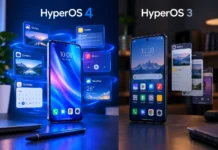
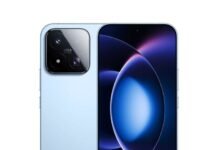

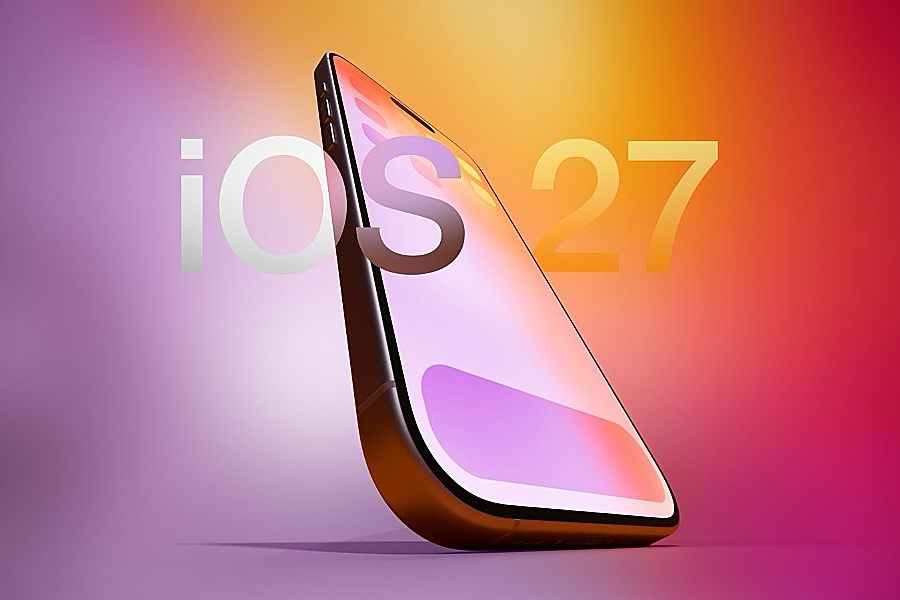
Xiaomi and Apple have built their operating systems differently for years. A new comparison video from iRaj_r on X makes that harder to see. Put HyperOS 4 next to iOS 27 and the two look surprisingly alike, because both lean on transparency, blur and smooth animation. Xiaomi calls its version Soft Light Glass. Apple’s is Liquid Glass.
Design
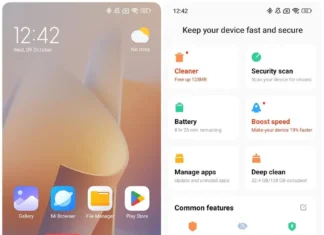
Most of the overlap is here. Soft Light Glass uses translucent panels, reflections and stacked layers for depth, and you’ll see it in the Control Center, notification panel, app drawer, widgets and folders.
Apple is still tweaking Liquid Glass, and iOS 27 adds a transparency control so text is easier to read. HyperOS 4 has its own version of that choice: Soft Glass or the more opaque Frosted Glass. Apple’s result is calmer. Xiaomi’s effects are bolder and the transitions are harder to miss.
Control Center and customization
HyperOS 4 stays close to Android here, with more freedom to arrange shortcuts. iOS 27 gives you more room than earlier versions, but Apple still decides most of the layout.
Animations and lock screen
Xiaomi has smoothed out the transitions between screens. Apple has been strong at this for years, and the difference is now small.
Both lock screens support custom backgrounds. On iOS the clock, notifications and widgets are closely tied together. HyperOS 4 is looser: you can stretch, resize or move the clock.
Which Xiaomi phones get the full effects?
At first, Soft Light Glass needed flagship chips. Xiaomi has since widened it to phones with the Snapdragon 8 Gen 2, Dimensity 8500 and XRING O1 or better, and says some older models will follow.
The Xiaomi 18 Pro and 18 Pro Max already ship with HyperOS 4. Globally, the rollout began on November 4 with the Xiaomi 17 Ultra. Dates still differ between China, Global and EEA versions.
HyperOS 4 and the Xiaomi ecosystem
HyperOS is built to run on more than phones. The Xiaomi Pad 8 series is on the update list, and Xiaomi is spending more effort on widgets, folders, notifications and how its devices connect to each other.
The assistant ties into this. HyperOS 4 includes Super Xiao Ai 2.0, built on Xiaomi’s MiMo model. Xiaomi has copied Apple before, too: HyperIsland in HyperOS 3 was its answer to the Dynamic Island.
Apple still has the tighter fit between its own devices. Xiaomi can point to how many product types run HyperOS, from phones and tablets to TVs and home appliances.
Xiaomi is no longer just offering an alternative to iOS. It is going after Apple on visual polish while keeping the customization Android users want.