


- Home
- Catalog
- Xiaomi TVs
- Xiaomi TV X Mini LED 75
Xiaomi TV X Mini LED 75

- Screen size: 75"
- Resolution: 3840 × 2160
- Panel type: QD-Mini LED (QLED)
- Power consumption: 240W
PROS
- QD-Mini LED panel at a mid-range price
- Google TV with Google Cast and Apple AirPlay
- 93% DCI-P3 and HDR10+ support
CONS
- Only 104 dimming zones and 600 nits peak brightness
- 120Hz works only at 1080p or 1440p, with a native 60Hz panel
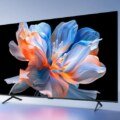
Xiaomi TV X Mini LED 75 is a 75-inch 4K QD-Mini LED TV from Xiaomi, sold as a mid-range set. It is the biggest of four sizes in the X Mini LED series (43, 55, 65 and 75 inches). It runs Google TV and has a bezel-less front on a dual-leg stand. The series is Xiaomi’s cheaper Mini LED tier, below the TV S Mini LED 2026 range.
The panel is native 4K at 60Hz, with 6,000:1 contrast, 93% DCI-P3 and 600 nits peak brightness. Local dimming uses 104 zones, which is low for Mini LED. It supports HDR10+, HLG and Filmmaker Mode. Game Boost reaches 120Hz only at 1080p or 1440p, and the two 10W speakers handle Dolby Audio and DTS:X.
In Greece it launched at €949 (early-bird €849 until 25 October 2026), and in Thailand it lists at ฿29,990. It suits buyers who want 75 inches of Mini LED and Google TV without flagship money. Inside Xiaomi it sits below the TV S Mini LED 75 2026 (€999 in Germany) and next to the TV FX Mini LED 75 2026 (Fire TV, 120Hz). Rivals are the TCL 75Q7C (€899 in Germany, 1,248 zones, 3,000 nits) and the Hisense 75U7S Pro (€1,999 at one Belgian retailer). The TCL is the closest match and looks better on paper for less.
Quick verdict
- Good for anyone who wants a 75-inch QD-Mini LED TV with Google TV at around €950.
- The 104 zones, native 60Hz panel and 600 nits are modest, and the TCL 75Q7C beats them on paper for less money.
Xiaomi TV X Mini LED 75 Images
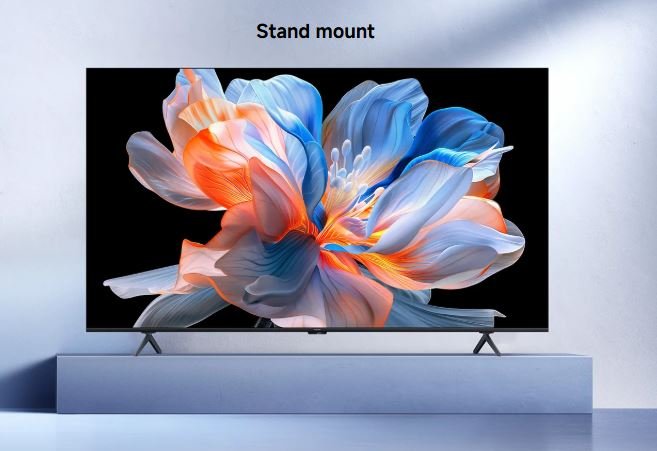
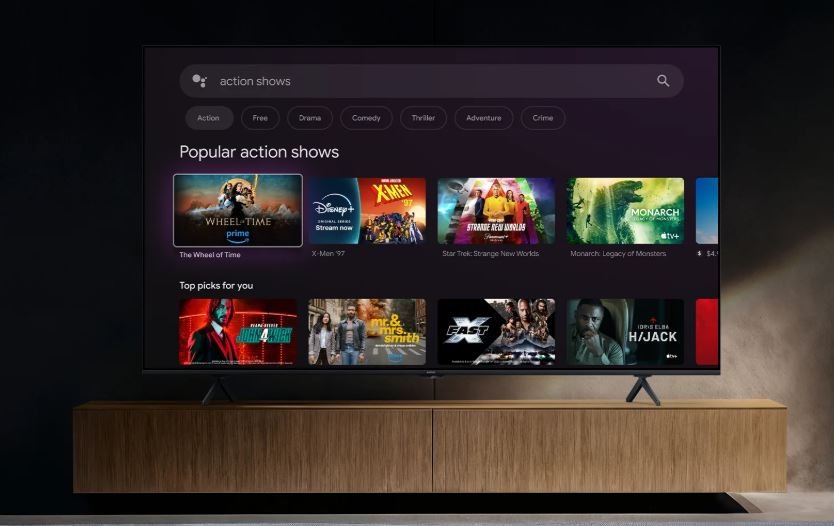

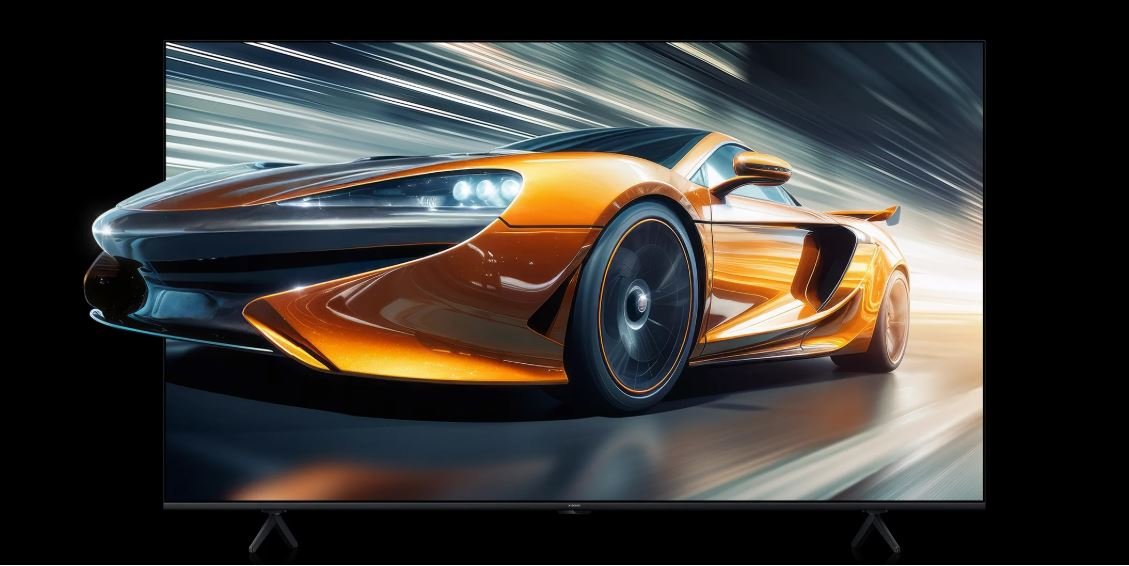

Full Specifications
Commercial
| Model number A model number is a unique alphanumeric code assigned by a manufacturer to identify a specific version, design, or series of a product | Not confirmed |
| Release date A release date is the specific day when a product, service, or official piece of information becomes available to the public | 2026 |
| Regional price | Not confirmed |
Display For TV
| Screen size Screen size is the physical diagonal measurement of a display area, usually calculated from one corner to the opposite corner and expressed in inches. | 75" |
| Resolution The measure of sharpness and detail in a digital photo, video, or screen, usually counted in pixels or dots per inch (DPI). | 4K, 3840 × 2160 |
| Panel type The panel type of a screen or monitor refers to the specific liquid crystal or diode technology used to display images, which dictates the screen's color accuracy, viewing angles, contrast, and speed. | QD-Mini LED (QLED) |
| LCD technology | Not published |
| Backlight type | Mini LED, direct-lit |
| Native refresh rate | 60Hz |
| Peak brightness Peak brightness is the highest level of luminance a display screen can achieve for a brief moment in a small area. | Not published |
| Local dimming zones | Not published |
| Color gamut coverage | 93% DCI-P3 (typ.) |
| HDR formats | HDR10, HDR10+, HLG, Filmmaker |
Performance and software
| Processor A processor is an electronic chip that acts as the "brain" of a computer, executing software instructions and performing calculations | Quad-core Cortex-A55, Mali-G52 MC1 GPU |
| RAM RAM stands for Random Access Memory, which is a device's short-term memory used to temporarily store data that the processor needs right now. | 2 GB |
| Storage | 32 GB (about 26 GB usable) |
| Operating system An operating system (OS) is the main system software that manages a computer's physical hardware and provides a base for other programs to run | Google TV (Android 14) |
| Software update policy | Not published |
Audio For TV
| Speaker configuration | Stereo (dual speakers) |
| Total wattage | 20 W |
| Supported formats | Dolby Audio, DTS:X |
Connectivity For TV
| HDMI port count and version | 3 ports: 2 × HDMI 2.0 and 1 × HDMI 2.1 |
| eARC-capable port | Yes, HDMI 2 |
| USB ports | 1 × USB 2.0 |
| Wi-Fi version A Wi-Fi version is a specific generation or technical standard of wireless networking technology that determines your device's speed, range, and connection quality. | Wi-Fi 5, dual-band |
| Bluetooth version A Bluetooth version is the specific update level of the wireless rules that a device uses to connect and share data | 5.0 |
| Casting support |
Gaming
| VRR | |
| ALLM | |
| Maximum gaming resolution and refresh rate | 4K at 60 Hz, or 1080p/1440p at 120 Hz (DLG mode) |
| Input lag | Not published |
Physical For TV
| Dimensions (with and without stand) |
1668 × 347 × 1027mm 1668 × 66 × 959mm |
| Weight (with and without stand) | 31.9 kg |
| VESA pattern | 400 × 400 |
| Power consumption | 240 W |
User Reviews
More Products from Xiaomi





New Arrivals






Popular Posts