







Big battery phones: the Xiaomi, Redmi and Poco endurance lineup
Most big battery roundups still quote 6,500–7,500mAh as the range. That is out of date. Every phone below starts at 8,000mAh, and the biggest has 10,000mAh. If a Poco X-series phone with a smaller cell is enough, the Poco X8 Pro has 6,500mAh and 100W wired charging.
Three of these phones are China launches, so most readers outside China will realistically choose between the Poco models.
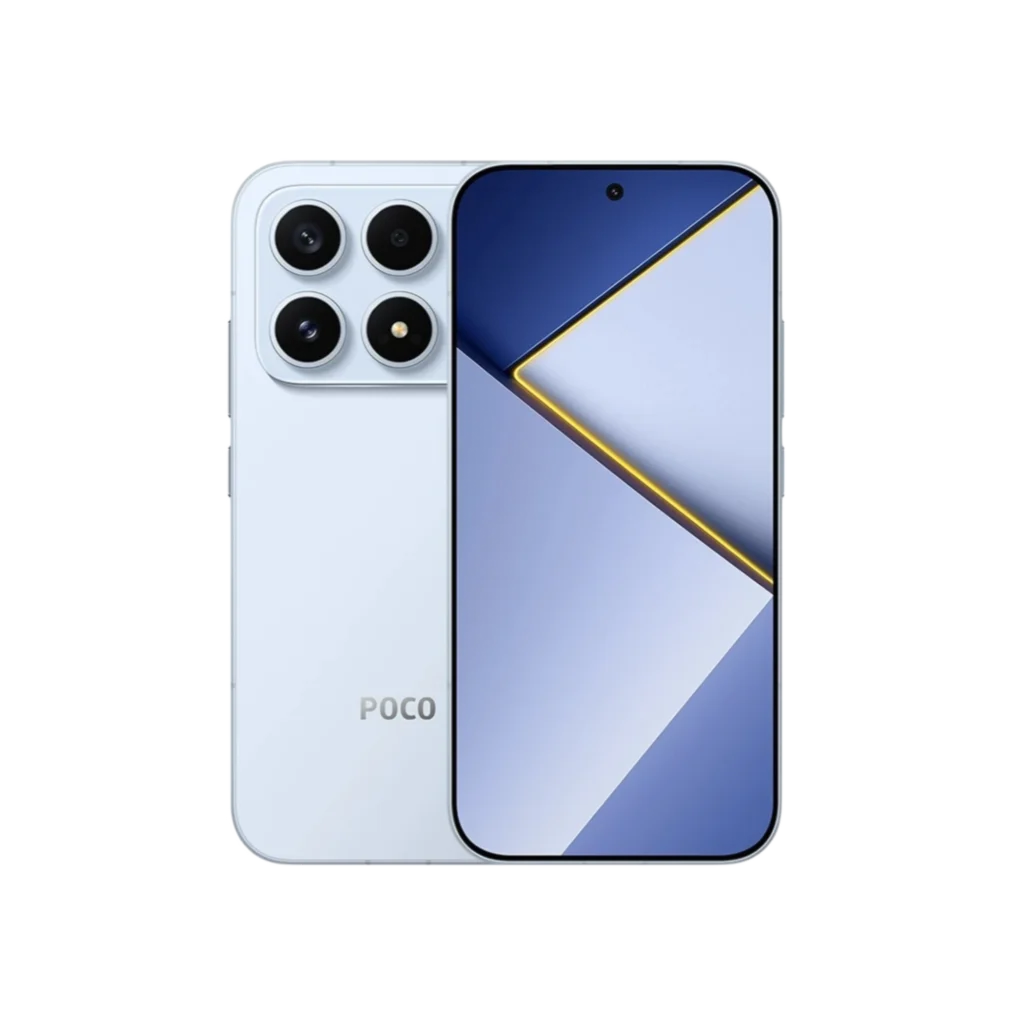
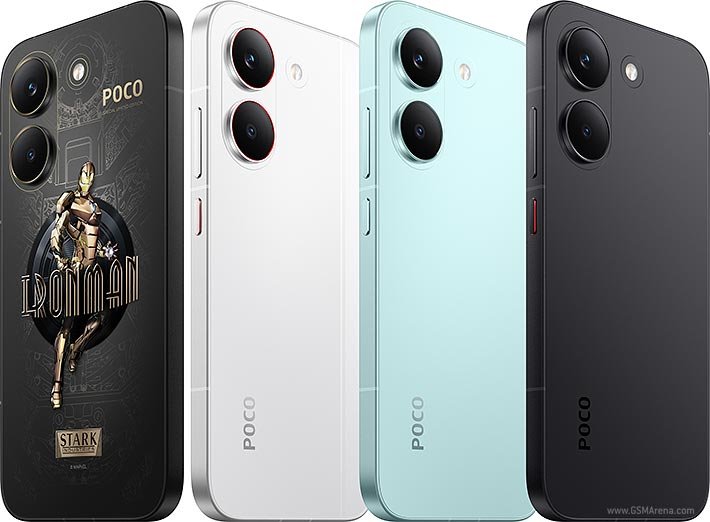
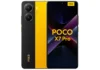
Poco X8 Power 5G
This is the biggest battery in the group. It has a 10,000mAh cell, a 1.5K AMOLED panel and a Snapdragon 6 Gen 5. It supports 100W wired and 27W reverse charging, and has IP69K protection. In PCMark it ran for 20.8 hours, and going from 20% to full took 1h 19m. Poco calls it its largest battery on any phone to date. It is the simplest pick for someone who wants maximum endurance without paying flagship money.
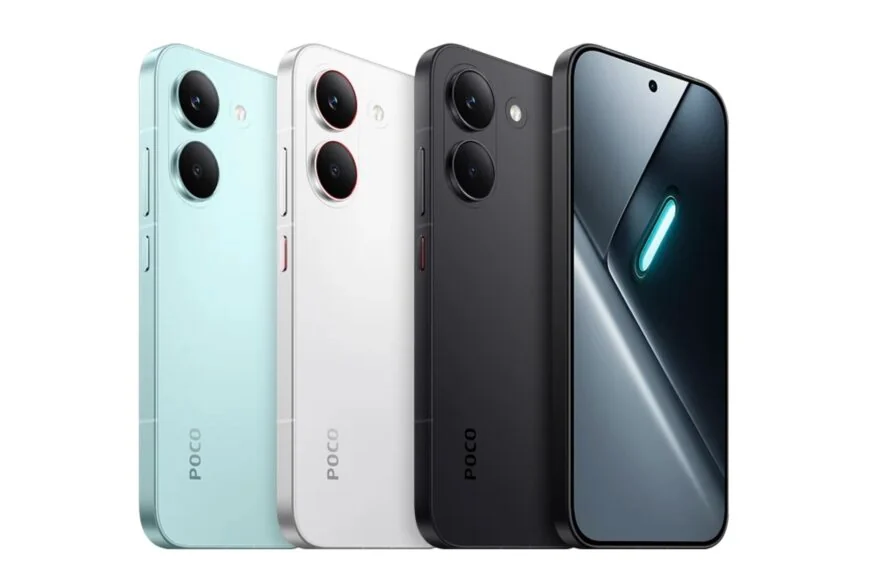
Poco X8 Pro Max
This one trades a little battery for a faster chip. Most markets get 8,500mAh, India gets 9,000mAh, and both support 100W charging and 27W reverse wired charging. It runs the Dimensity 9500s, which makes it the better gaming phone of the two Pocos. German pricing was €529.90 or €579.90 depending on memory. Under the hood it is a rebrand of the Chinese Redmi Turbo 5 Max.
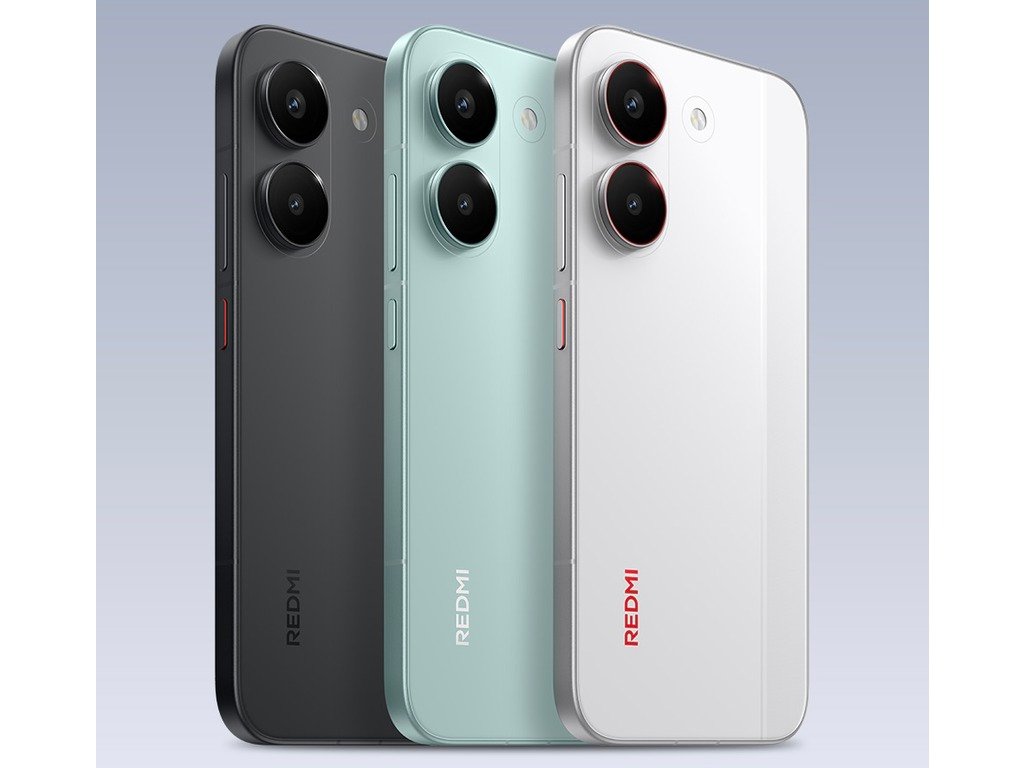
Redmi Turbo 5 Max
The Chinese original of the X8 Pro Max has a larger battery. It was the first phone with the Dimensity 9500s, and it has a 9,000mAh cell. Charging matches the Poco: 100W wired and 27W wired reverse. The 12GB/256GB version started at CNY 2,499, so it is the cheapest way to get 9,000mAh if you can buy in China.
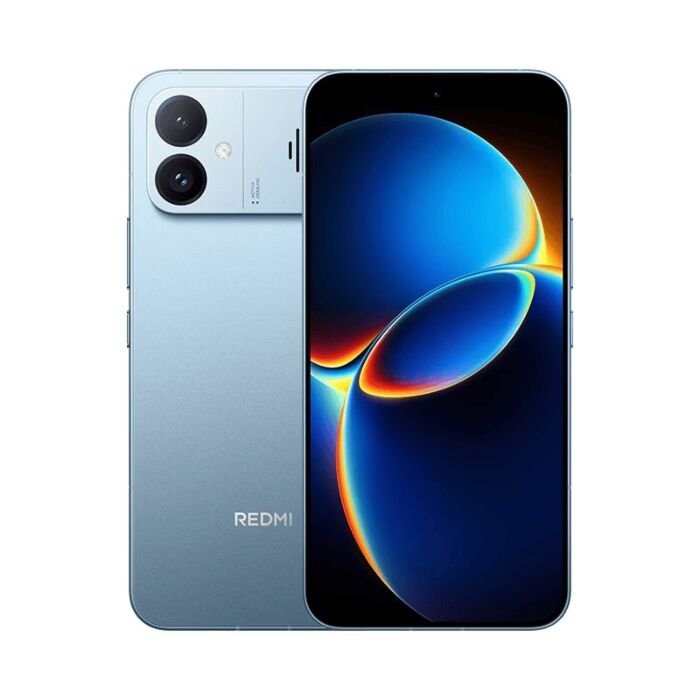
Redmi K90 Max
Redmi built this one for gaming. It has a 165Hz display and an 8,550mAh silicon-carbon battery, with 100W wired and 22.5W reverse charging. It launched in China on April 21 with the Dimensity 9500, and the back panel carries a circular cooling fan. The fan matters because long gaming sessions are where a big battery gets used up fastest.
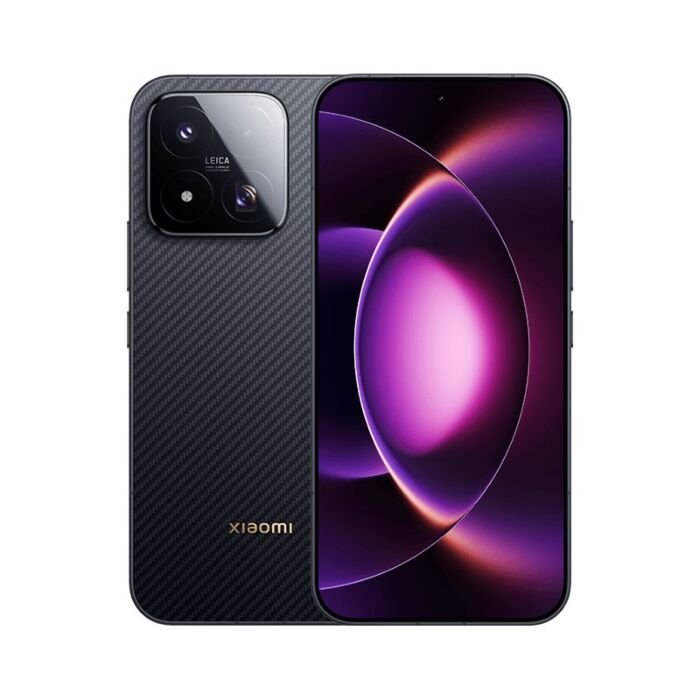
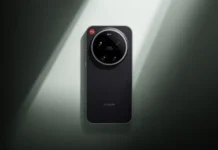
Xiaomi 17 Max
This is the only flagship here. It pairs an 8,000mAh battery with Snapdragon 8 Elite Gen 5, Leica-tuned cameras and 100W charging. Listings also show 50W wireless charging and 22.5W reverse charging, which none of the other phones here offer on the wireless side. The China price started at CNY 4,799 for 12GB/256GB.
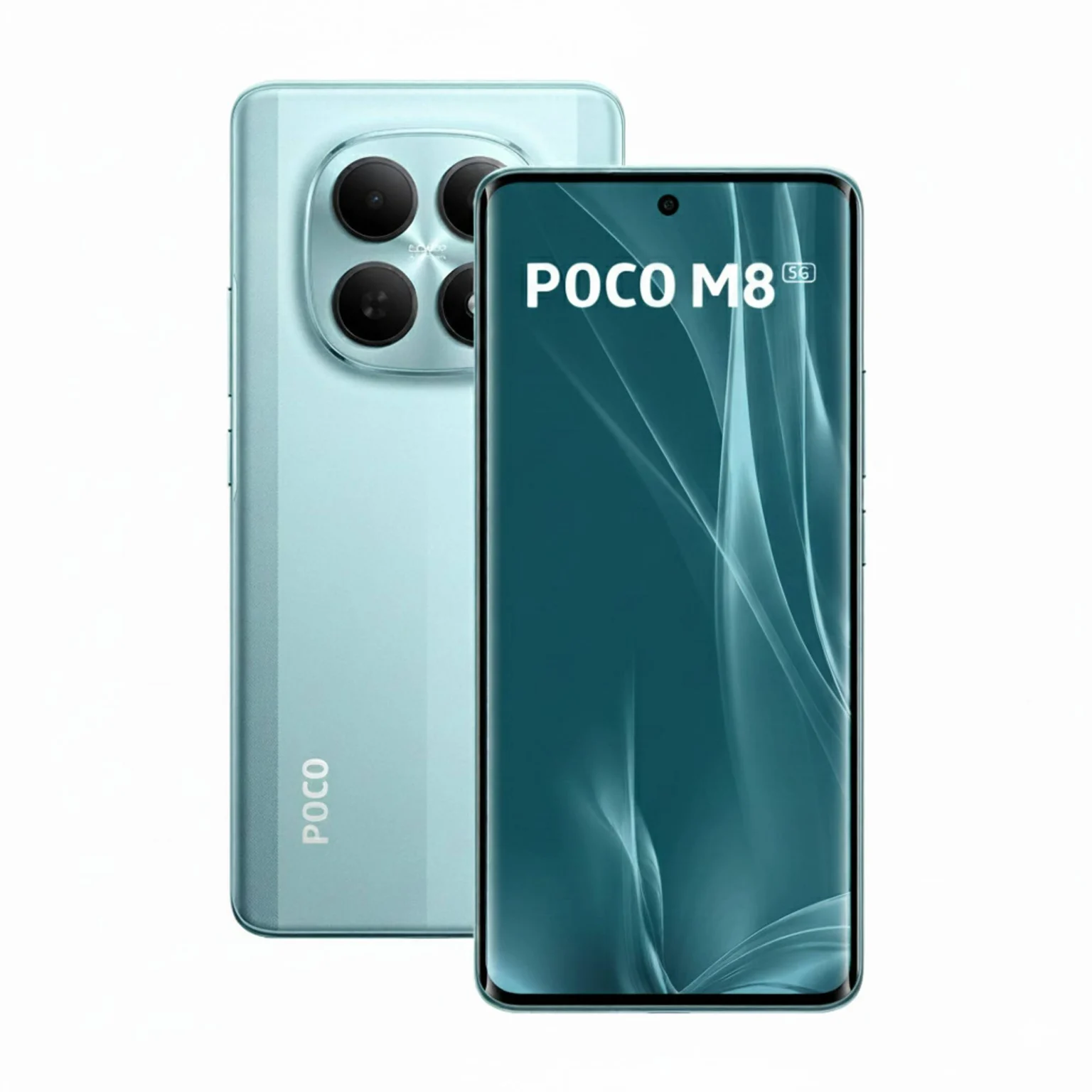
Poco M8 Power 5G
The budget option. It has a 120Hz screen, a Snapdragon 4 Gen 4 and an 8,000mAh battery, but charging tops out at 45W wired and 22.5W reverse. The regular M8 has 5,520mAh, so the extra capacity is the main reason to pick this model. In India it launched at Rs. 24,999 for 6GB + 128GB and Rs. 27,999 for 8GB + 128GB.
Quick comparison
| Model | Battery | Wired charging | Chipset | Availability |
|---|---|---|---|---|
| Poco X8 Power 5G | 10,000mAh | 100W | Snapdragon 6 Gen 5 | Global / India |
| Redmi Turbo 5 Max | 9,000mAh | 100W | Dimensity 9500s | China |
| Poco X8 Pro Max | 8,500mAh (9,000mAh India) | 100W | Dimensity 9500s | Global / India |
| Redmi K90 Max | 8,550mAh | 100W | Dimensity 9500 | China |
| Xiaomi 17 Max | 8,000mAh | 100W | Snapdragon 8 Elite Gen 5 | China |
| Poco M8 Power 5G | 8,000mAh | 45W | Snapdragon 4 Gen 4 | India / global |
Two older Chinese models also fit the 7,000mAh+ bracket: the Redmi K90 Pro Max with 7,560mAh and the Xiaomi 17 Pro Max with 7,500mAh.
How these phones fit the Xiaomi ecosystem
Reverse charging is the practical link. The X8 Power, X8 Pro Max and Turbo 5 Max can send 27W over a cable, and the K90 Max, 17 Max and M8 Power can send 22.5W. That is enough to top up earbuds, a Smart Band or a watch on a long trip.
The China models run HyperOS 3, so they connect to the Xiaomi Home app and cross device features. Readers weighing the software should go to your HyperOS 4 vs One UI 9 post. If they are confused by the Turbo 5 Max and X8 Pro Max being the same phone, the China-to-Global rebrand map explains it. For a tablet that matches, the Redmi Pad also has an 8,000mAh battery. Buyers on a tight budget who need a cheaper phone can go to the 4G-only budget phones post.