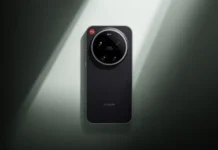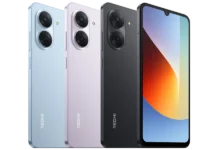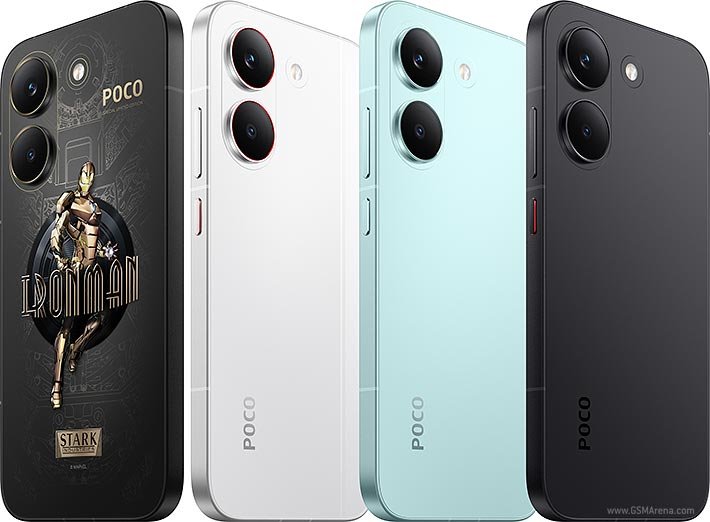








Most Redmi K and Turbo phones never ship outside China. A few months later, the same hardware shows up as a Poco or a Xiaomi T-series phone with a new name. The catch is that the global version usually has a smaller battery. This map shows which Chinese model matches which global phone in 2026.
How the rebrand pipeline works
Redmi launches first in China. Poco then sells most of those phones in Europe, India and other markets. The Xiaomi T series follows the same path for the Redmi K Ultra, with Leica tuning added. Last cycle’s example: the Poco F8 Ultra was a renamed Redmi K90 Pro Max.
Between the Chinese phone and its twin, three things usually change: battery size, charging speed and camera tuning.
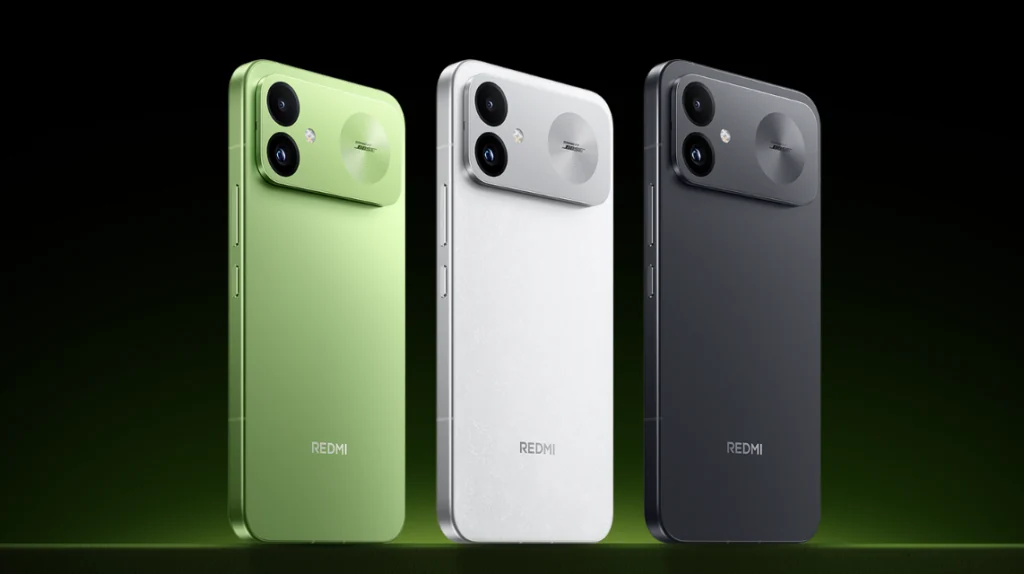
Flagships: K100 and K90 series
| China model | Global twin | Shared | Difference |
|---|---|---|---|
| Redmi K100 Pro Max | Poco F9 Ultra | Flagship chip, large QHD display | 9,070mAh in China, 8,050mAh global |
| Redmi K100 Pro | Poco F9 Pro | Same design and platform | 8,580mAh in China, 6,330mAh global |
| Redmi K100 | None confirmed | 10,000mAh battery | No global name announced |
| Redmi K90 Ultra | Xiaomi 17T Pro | Performance-focused hardware | Leica cameras globally, gaming extras in China |
| Redmi K90 Max | Related to the 17T line, unconfirmed | Dimensity 9500, high-refresh display | No official twin |
The F9 Pro is the one to watch. It loses about 2,250mAh against the K100 Pro, which is a bigger cut than the F9 Ultra takes. The K90 Ultra and 17T Pro pairing needs a caveat too. Pre-launch reports said the global phone would drop the Ultra’s active cooling, so check final specs before you recommend it for gaming.
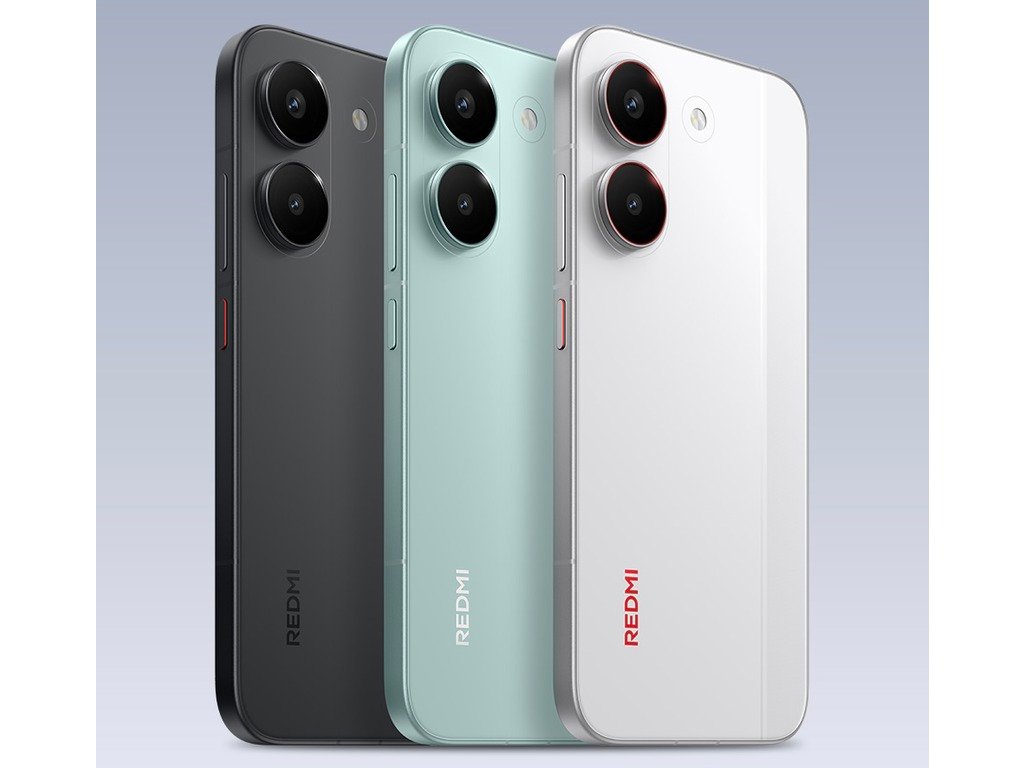
Mid-range gaming: Turbo 5 series
| China model | Global twin | Shared | Difference |
|---|---|---|---|
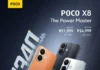
| Redmi Turbo 5 Max | Poco X8 Pro Max | Dimensity 9500s | 9,000mAh vs 8,500mAh |
| Redmi Turbo 5 | Poco X8 Pro | Dimensity 8500 Ultra | 6,500mAh on the Poco |
Both Poco phones launched on March 17. There is no standard X8 this time, only Pro and Pro Max.
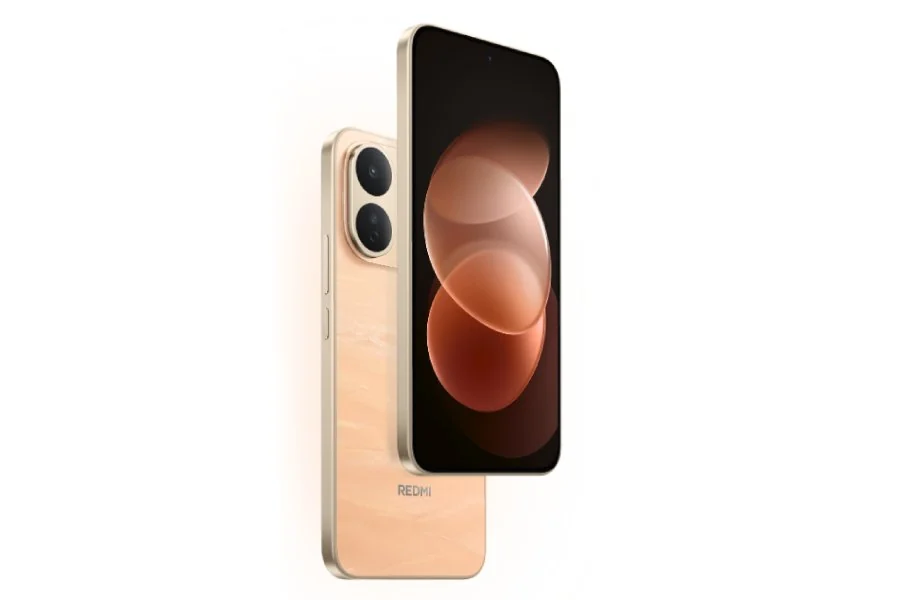
Mainstream and budget
| China model | Reported global twin | Tier |
|---|---|---|
| Redmi Note 17 Pro (China) | Redmi Note 17 Pro (Global) | Upper mid-range |
| Redmi Note 17 | Redmi Note 17 / Poco X8 | Everyday 5G |
| Redmi R70 / R70m | Poco M8 Pro / X8s | Value mid-range |
| Redmi 17 / 17C | Poco M8 / C85x | Entry 5G |
| Redmi A7 / A7 Pro / 15A | Poco C81 / C81 Pro / C95 Pro | Ultra-budget |
What this means if you’re buying
Look at the battery before anything else. A twin with 2,000mAh less is a different phone in daily use, even with an identical chip. Then compare prices. The Chinese model can cost less to import, but you lose the global ROM features and local warranty. If you want Leica color tuning, the Xiaomi 17T Pro is the only phone here that has it.
Where these phones fit in the Xiaomi ecosystem
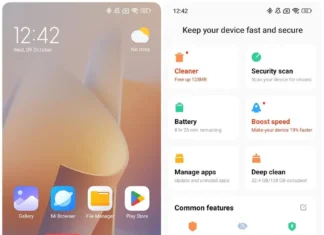
All of these phones run HyperOS, but the China and global builds differ in the apps around it. Chinese ROMs use the Mijia app. Global phones use Xiaomi Home. If you own Mijia devices like the air purifiers, the Smart Clothes Dryer 2 Pro or the range hood, check which app your phone supports before you import.
Xiaomi Watch, Smart Band and Buds pair with either version over Bluetooth, though deeper HyperOS features depend on the model. Robot vacuums such as the Xiaomi Robot Vacuum 6 Pro also run through the home app. If you’re weighing a switch away from Xiaomi, the HyperOS vs One UI comparison covers what you’d give up.