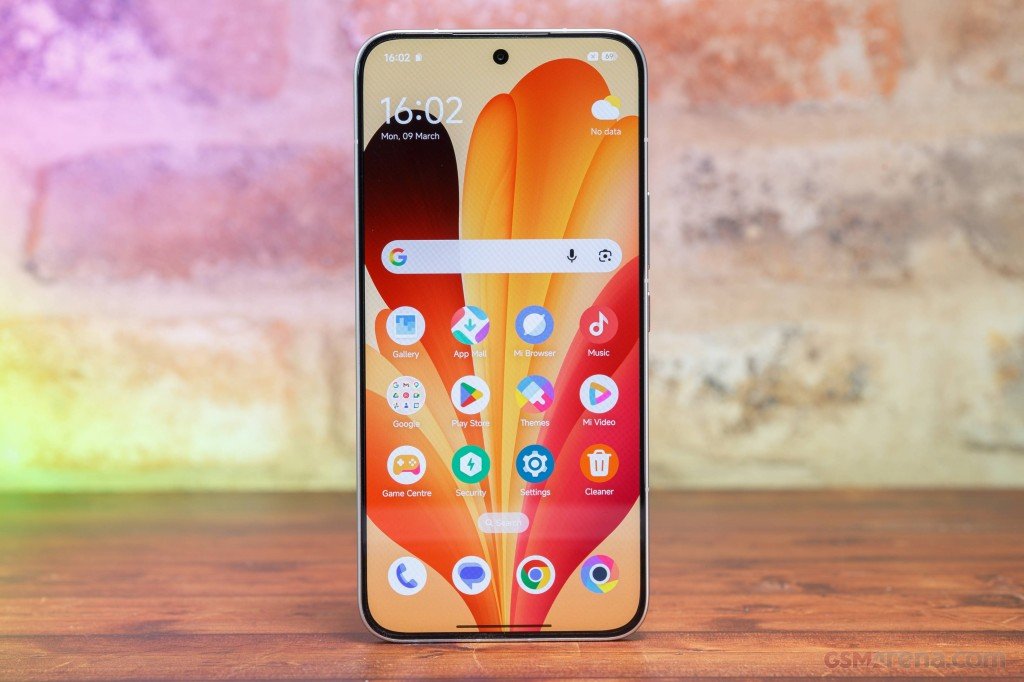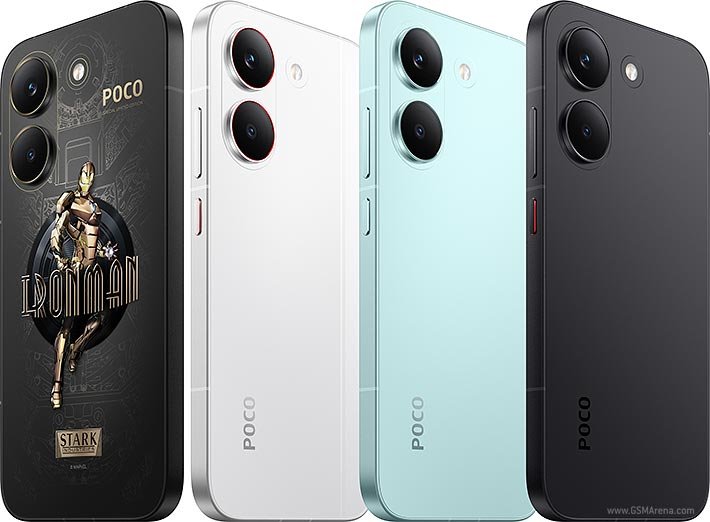










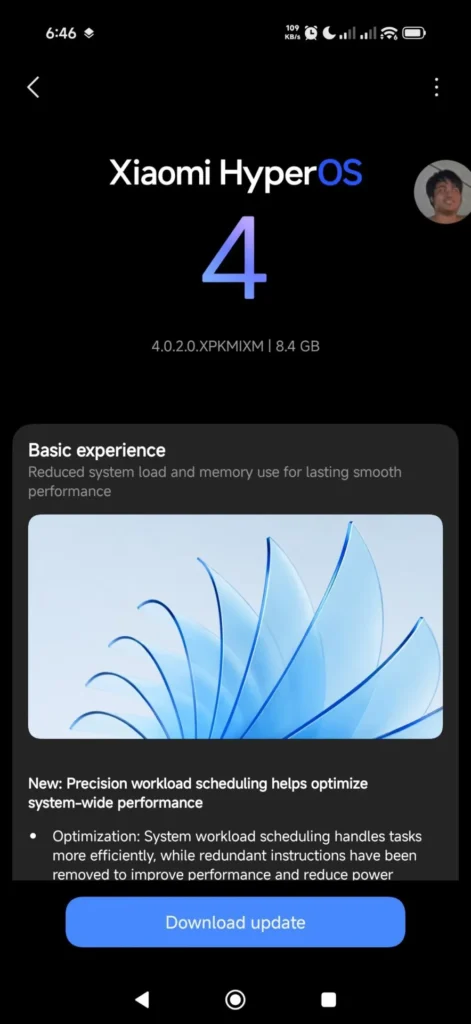
Xiaomi has started pushing the first stable global build of HyperOS 4, which runs on Android 17, and the POCO F8 Pro is one of the first phones to get it. The firmware is OS4.0.2.0.XPKMIXM and the download is around 8.4 GB. Earlier global builds were betas, so this is the first version regular users can install without enrolling in a test program.
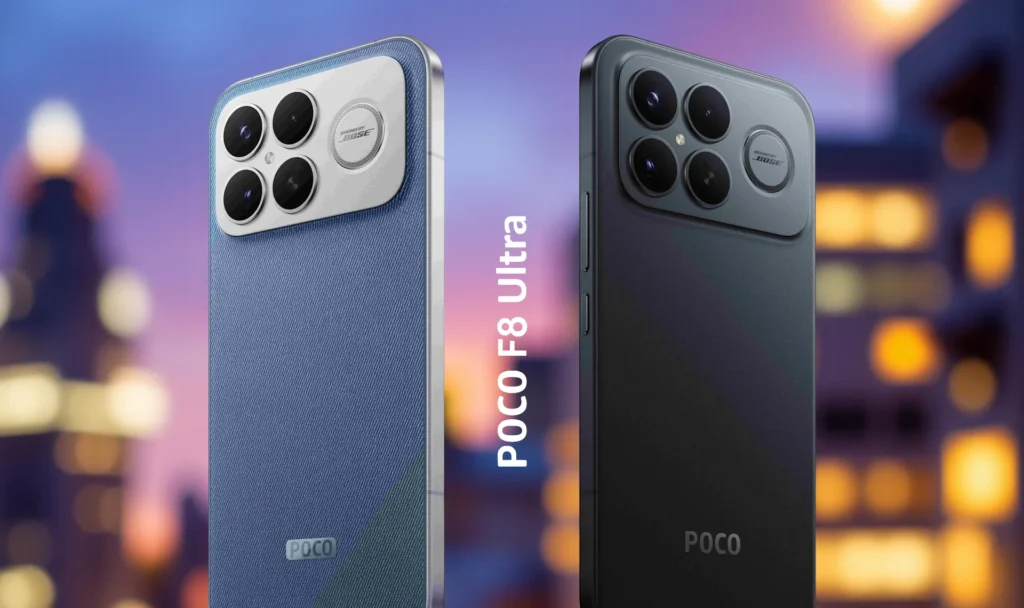
POCO F8 Pro HyperOS 4 update details
| Detail | Info |
|---|---|
| Device | POCO F8 Pro |
| Firmware version | OS4.0.2.0.XPKMIXM |
| Operating system | Xiaomi HyperOS 4 (Android 17) |
| Region | Global |
| Package size | ~8.4 GB |
| Rollout start | November 3, 2026, in phases |
What changes in HyperOS 4
The biggest visible change is the new look. Xiaomi calls it Soft Light Glass, and it comes with a redesigned lock screen, stacked widgets and more ways to customize the home screen.
Xiaomi also claims the system runs lighter, handles memory better and stutters less in animations after long use. Those numbers come from Xiaomi’s own comparison against HyperOS 3, so treat them as a starting point until independent testing shows up.
On the AI side, the list includes voice recording improvements, task automation across apps, live activity notifications and tighter links between Xiaomi devices.
Some AI features may not reach global users
Part of the AI toolkit leans on China’s Super XiaoAi infrastructure. Xiaomi hasn’t said which features will work outside China, so what you see on the global build may be a smaller set than the China announcements suggested. Expect a gap, and read the changelog on your own phone before judging the update.
How to check for the update
- Open Settings and go to About phone.
- Tap the HyperOS version section.
- Check for updates and download the package if it shows up.
The rollout is phased, so it can take a few days to appear. At 8.4 GB, use Wi-Fi, back up your data and charge the phone first.
Who gets HyperOS 4 next
Xiaomi has announced a three-wave global schedule that runs from early November into December. The first wave includes the Xiaomi 17 series, Xiaomi 15, the Pad 8 tablets, the POCO F8, X8 and M8 series, the POCO C95 Pro and C85, and several Redmi models. Older devices come later.