







Xiaomi has published the details of HyperOS 4, the Android 17-based system for its phones and tablets, and the stable version is rolling out now. The headline number comes from Xiaomi’s own lab. On a Xiaomi 17 Ultra after nine hours of use, opening 30 apps took 139.7 seconds, against 169.4 seconds on HyperOS 3. That is 17.5% less waiting.

HyperOS 4 release date and rollout
Xiaomi has confirmed a global schedule, so you can ignore the leaked dates that circulated earlier. The first devices started updating on November 3, and the oldest models wait until December.
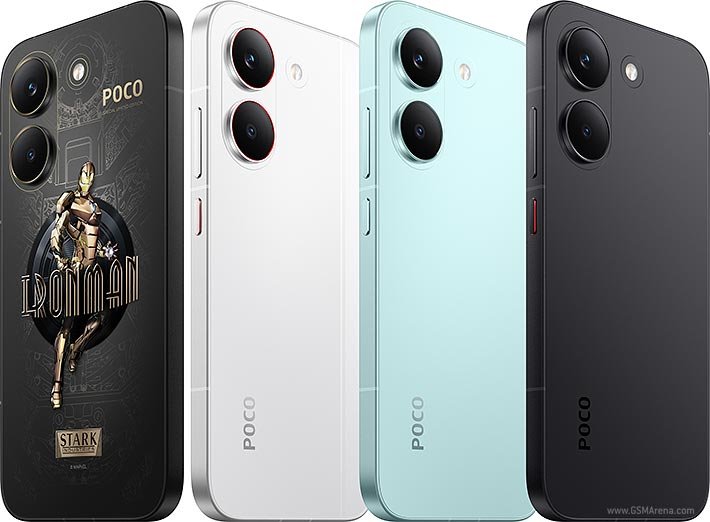
- Early November: Xiaomi 17 and 17T series, Xiaomi 15, Xiaomi Pad 8, Poco F8, X8 and M8 series, Poco C85 and C95 Pro, Redmi Note 17 and Note 15, Redmi 17 and 15.
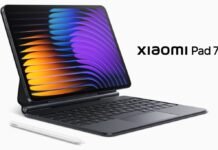
- Mid-November: Xiaomi 15T, Xiaomi Pad 7 and Pad Mini, Redmi Pad 2, Poco Pad X1 and M1, Poco F9, F7 and X7 series.
- December: Xiaomi MIX Flip, Xiaomi 14, 14T, 13 and 13T series, Redmi Note 14, Poco F6 and other models.
The Xiaomi 13 launched at the end of 2022, so by December it will be nearly four years old and still getting a new OS version. Xiaomi sends updates out in waves to catch serious bugs early, so a phone that hasn’t received it yet isn’t doing anything wrong. A few Redmi and Poco models show up in more than one group in the reporting, so confirm yours in Xiaomi’s announcement.
China got the stable version first, from October 15. Its beta began on August 14 with the Xiaomi 17 family, the Redmi K90 Pro Max and K90, and the Xiaomi Pad 8 and Pad 8 Pro. The Xiaomi 17T series and Xiaomi 15 family followed on August 27, and the Redmi K100 Pro, K80 series and MIX Flip 2 on September 17. A global beta opened in September.
Xiaomi’s performance numbers
Everything here comes from the official HyperOS 4 website. Xiaomi tested the same Xiaomi 17 Ultra on both systems, ran each test several times and published the average.
| Test | HyperOS 3 | HyperOS 4 |
|---|---|---|
| Opening 30 apps after 9 hours of use | 169.4 s | 139.7 s |
| Camera cold start, all apps in background | 1,043.6 ms | 808.8 ms |
| HDR photo, rear camera | 313.38 ms | 240.16 ms |
| Dropped frames, short video and scrolling | 1.27% | 0.11% |
| Dropped frames after 9 hours of use | 1.61% | 0.22% |
Xiaomi says it wants “faster startup, immediate touch response, and smooth performance after prolonged use,” and admits results change with the testing environment.
Why it should be faster
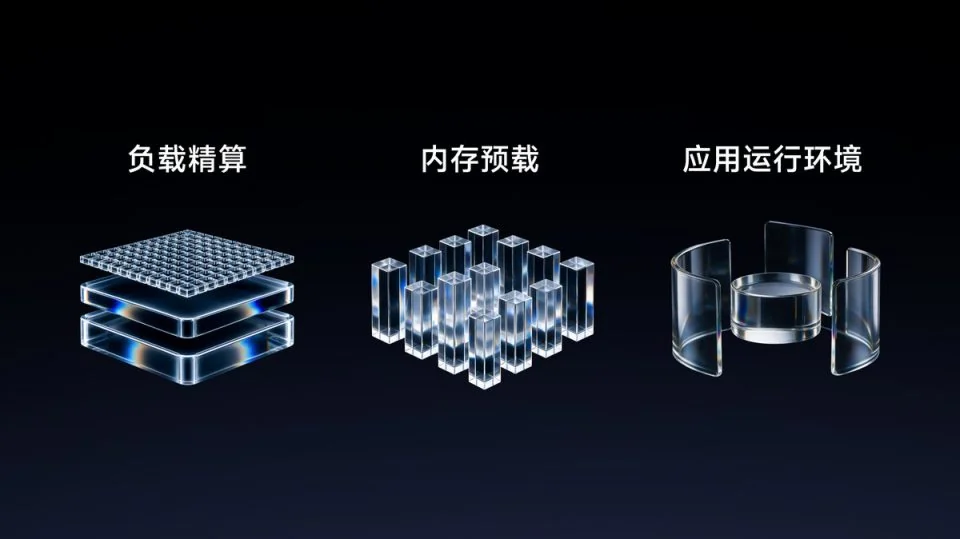
Xiaomi credits three parts of the system. One tracks each task from start to finish and adjusts the instructions that reach the processor. Another gives apps a lighter environment to run in. The third, memory preloading, is the one to watch. Xiaomi says its AI “anticipates needs, organizes it on its own, and prepares the memory accordingly,” so the camera can find space before you open it. Reporting compares this to Adaptive Battery, which learns from how you use your phone.
Xiaomi doesn’t say how much memory each technique frees. With memory prices climbing, that is the number I’d most like to see.
New design with soft light glass
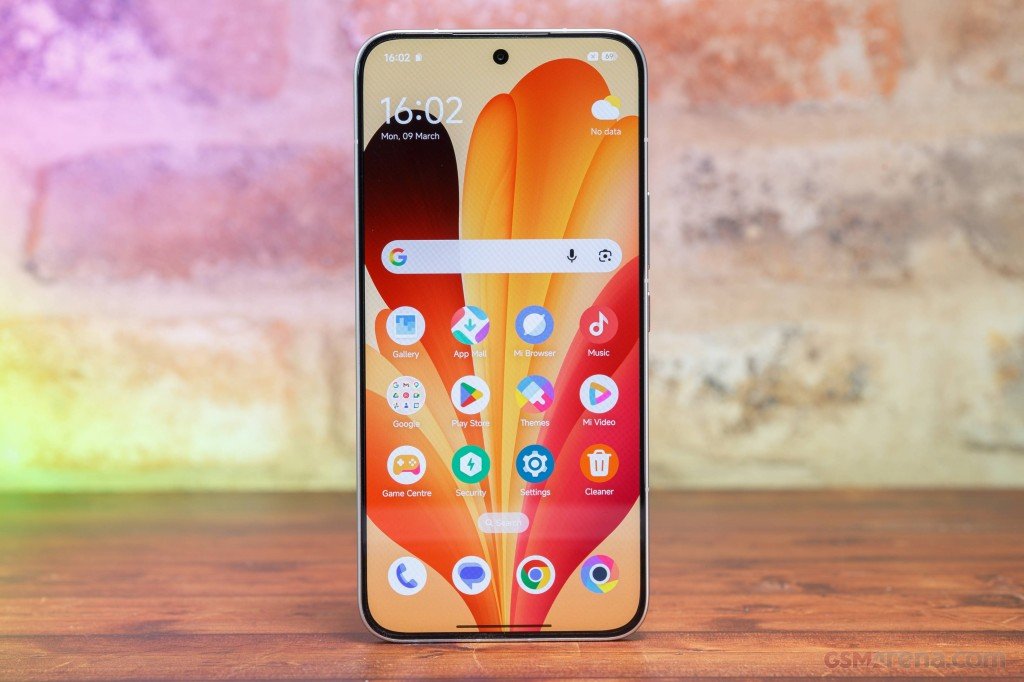
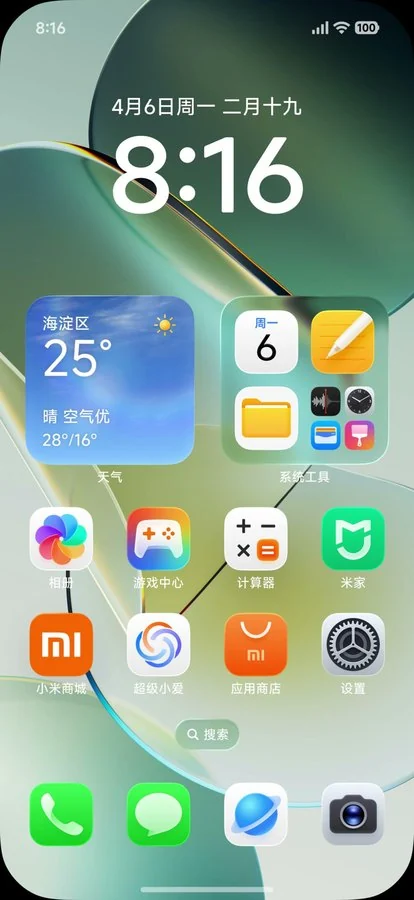
Xiaomi calls the new look “aesthetics with a sense of life.” Outlets describe it as a Liquid Glass-style redesign. The base is soft light glass, a translucent material that picks up the background color and flashes when you touch or drag something.
On the lock screen you can move and resize the clock, and notifications stack to save space. Home screen folders shrink from large to small. Widget stacks exist too, but only in mainland China.
The glass needs a Snapdragon 8 Elite or higher, a Dimensity 9500 or higher, or Xiaomi’s 3 nm XRING O1. Plenty of supported phones will get HyperOS 4 without it.
Super XiaoAi 2.0 (China only)
Xiaomi’s assistant in China now runs on its MiMo language model. Long tasks keep going in the background inside Super Island, so you can do something else and check progress later. Expert mode builds a report, presentation or webpage from one sentence. It also works with Windows and Mac computers, and you can find a file on your laptop from your phone.
Xiaomi says the assistant won’t answer questions about sensitive data while the phone is locked, and it asks before modifying, deleting or sending anything. Google is heading the same way, with Gemini replacing Google Assistant on Android.
How far to trust the speed claims
These are Xiaomi’s numbers from a single flagship, the Xiaomi 17 Ultra with a Snapdragon 8 Elite Gen 5. Nobody has published independent benchmarks, and there is nothing for mid-range or older phones, which is where a speed claim matters most. Read the figures as a best case. Several assistant features are also China-only, and the international HyperOS page may not show the new version everywhere yet.
How to check for the update
Open Settings > About phone, tap the HyperOS version and check for updates. If nothing appears, wait a few days. Back up your data before installing.