








Most EV miles are slow ones. Xiaomi’s HyperOS 1.18 update for the SU7 and YU7 is aimed at that kind of driving: the van parked in your lane, the merge into a packed street, the car that brakes harder than it needs to. It doesn’t promise more autonomy. It tries to make the city assist system calmer.
What is Xiaomi HyperOS 1.18?
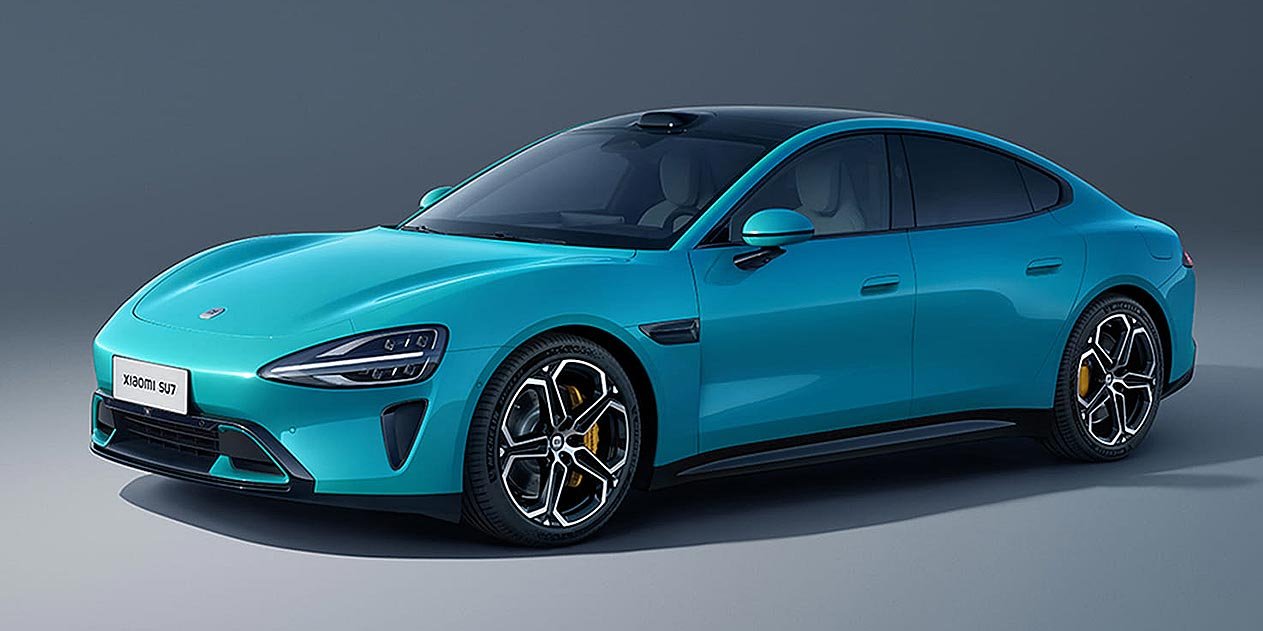
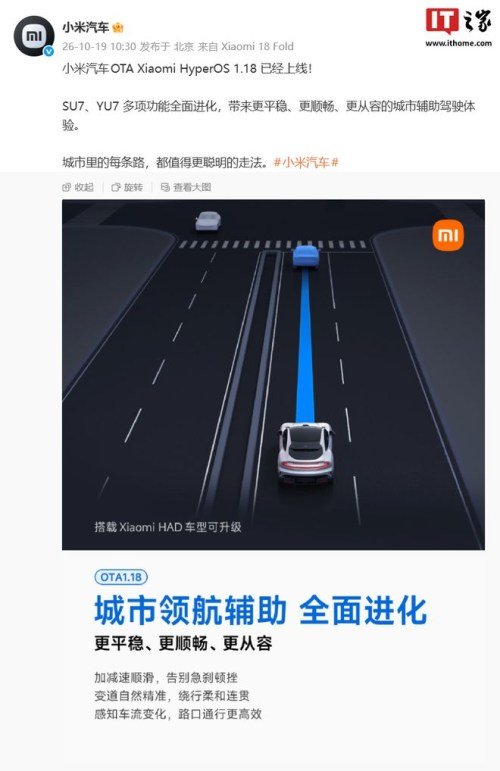
It’s an over-the-air update for Xiaomi’s cars. Despite the shared name, it is separate from the phone OS. Xiaomi announced it on October 19, 2026, for SU7 and YU7 models that have Xiaomi HAD (Hyper Autonomous Driving). YU7 owners got the 1.18.0 build a week earlier, on October 12.
What’s new in HyperOS 1.18
Braking and acceleration
Xiaomi says speed changes are now smoother, with fewer sudden stops and less lurching in city traffic. The target is a driver who looks ahead, not one who reacts late.
Lane changes and detours
Lane changes and detours around obstacles, such as a double-parked van, are meant to be gentler and more continuous. The car also reads traffic flow better at junctions, so it should clear intersections faster.
A new name for the city feature
Xiaomi dropped the label “end-to-end assisted driving” and now calls the feature “all-domain navigation assistance” (全域领航辅助). I think the rename is the more telling change. Drivers don’t care how the neural network is built, and China tightened its rules on terms like “smart driving” and “autonomous driving” in marketing after the fatal SU7 crash in March 2025.
Parking garages
Parking-space-level navigation now covers more shopping districts and office buildings, and it can guide the car to an elevator lobby or a charging space. Elevator and charger navigation first shipped in HyperOS 1.16 in May 2026, so 1.18 widens where it works. It doesn’t introduce it.
Where HyperOS 1.18 fits in Xiaomi’s driver-assist history
Xiaomi HAD began rolling out in February 2025. The YU7’s 1.12.0 update later lowered the distance needed to unlock city navigation from 1,000 km to 300 km. In November 2025 Xiaomi added reinforcement learning and world models. Version 1.18 is a refinement of that system.
At home, Xiaomi competes with BYD, Zeekr, Nio and XPeng, and it has said it wants to sell cars internationally by 2027. Software that behaves well in traffic will count for a lot with new buyers.
SU7 and YU7 size and specs
| Model | Length | Width | Height | Wheelbase |
|---|---|---|---|---|
| Xiaomi SU7 | 4,997 mm | 1,963 mm | 1,455 mm | 3,000 mm |
| Xiaomi YU7 | 4,999 mm | 1,996 mm | 1,600 mm | 3,000 mm |
The SU7 is longer than the Tesla Model 3 (4,720 mm). The YU7 is bigger than the original Tesla Model Y (4,751 × 1,921 mm, 2,890 mm wheelbase) and the Porsche Macan (4,784 × 1,938 mm).
YU7 variants:
- RWD: 235 kW, 528 Nm
- Pro AWD: 365 kW, 690 Nm, about 2,425 kg
- Max AWD: 508 kW, 866 Nm, 0–100 km/h in 3.23 s
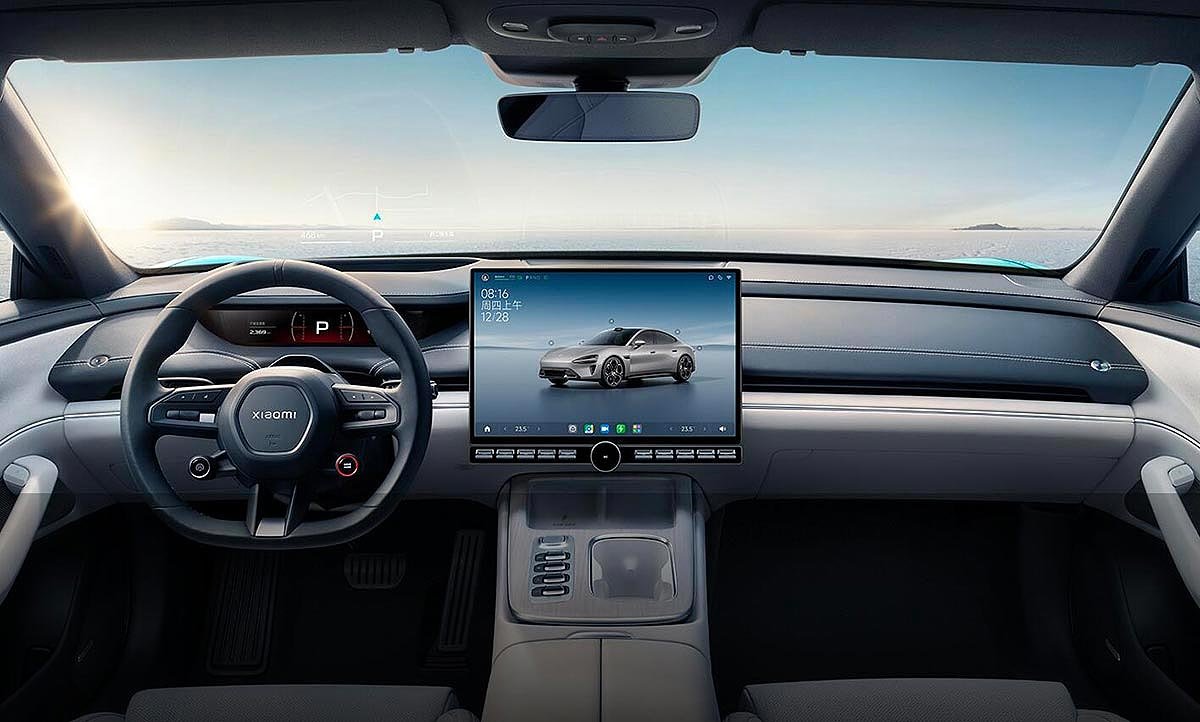
A car nearly two meters wide is hard to place on a narrow street, so a smoother assist system helps most on the YU7.
Should you care about this update?
If you drive an SU7 or YU7 with HAD in a dense city, yes. If you were hoping for new capabilities, no. HyperOS 1.18 improves the day-to-day behavior of features the cars already had.