










- Home
- Catalog
- Xiaomi Smart Phones
- Poco C81 Pro
Poco C81 Pro
- Chipset: Unisoc T7250
- Internal Storage: 64 / 128 / 256 GB
- Battery: 6,000 mAh
- RAM: 4 GB
PROS
- Up to 256 GB storage options
- 6,000 mAh battery with a microSD slot
- Side fingerprint sensor and NFC (in some regions)
CONS
- Ships with Android 15, not 16
- 15 W charging is slow for a 6,000 mAh battery
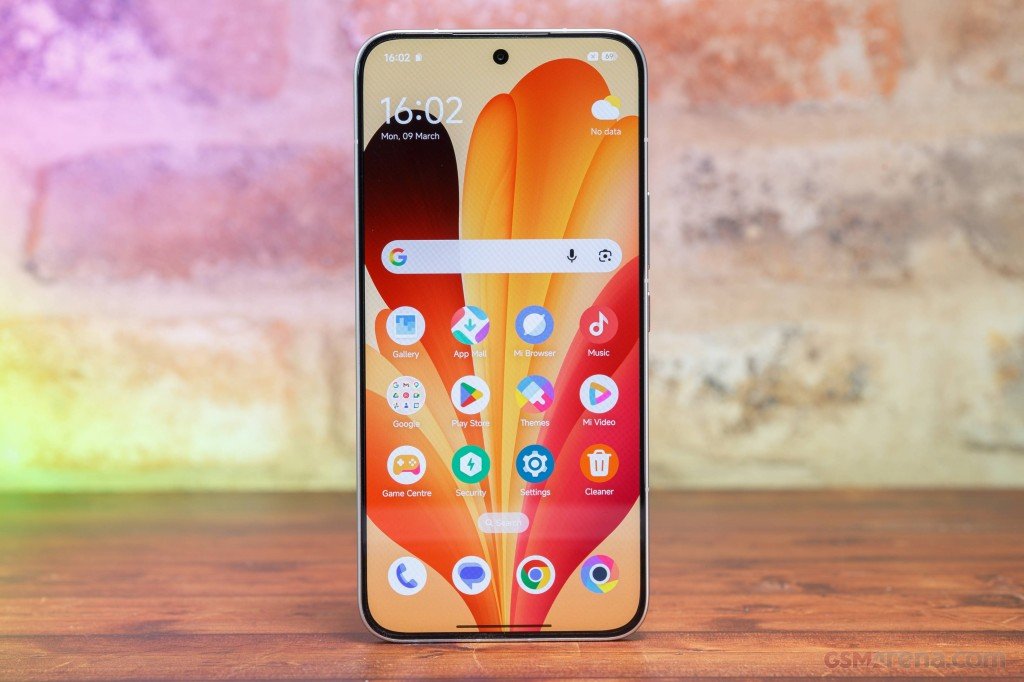
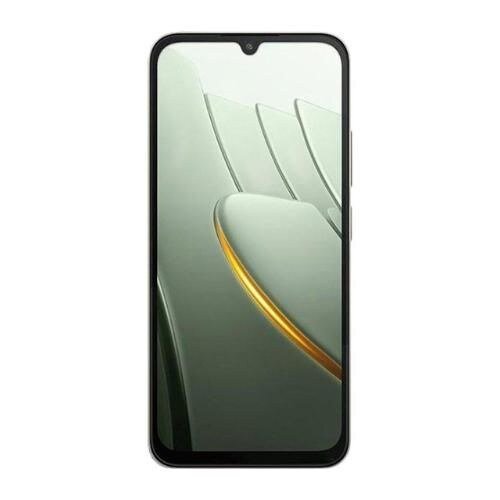
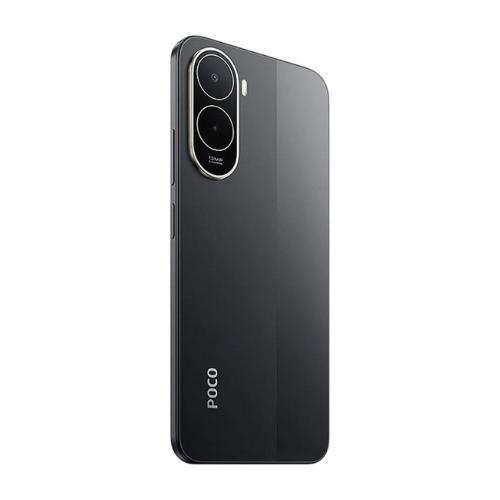
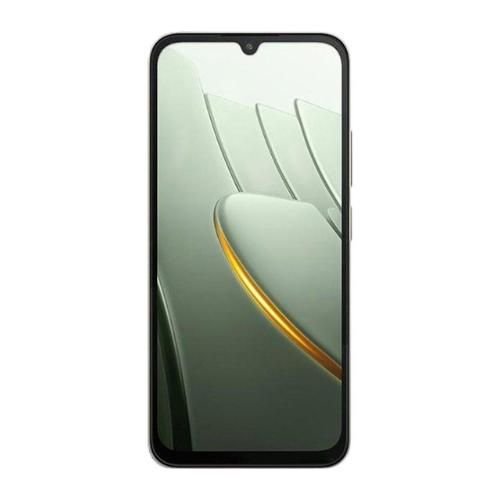
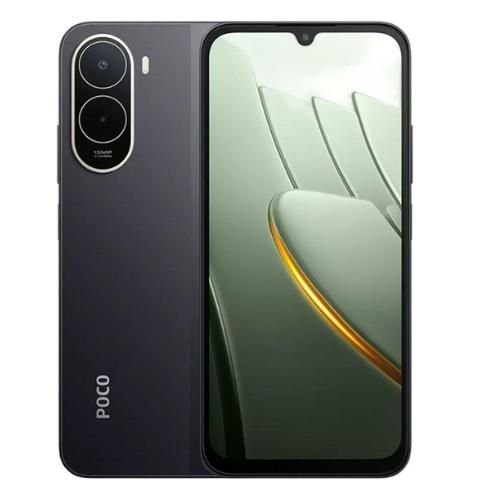
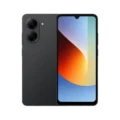
The Poco C81 Pro is an entry-level 4G phone from Poco, Xiaomi’s sub-brand. The screen is a 6.9-inch HD+ IPS panel at 120Hz. Around the phone you get a dual rear camera, a side fingerprint sensor and NFC. It weighs 208 g and is 8.15 mm thick. Under the hood is a Unisoc T7250 with 4GB RAM, sold with 64GB, 128GB or 256GB of storage. The software is HyperOS 3 on Android 15, with up to 4 major Android upgrades promised. Oddly for a “Pro”, it has a smaller battery than the regular C81 and an older Android base.
The battery is 6,000mAh. Wired charging is 15W, reverse wired charging is 7.5W, and the port is USB-C 2.0. 15W is slow for a battery this size, so expect a long charge. I found no usable-capacity figure or measured charge time.
The global launch price is about €120, or $109 for the 4GB + 128GB model. In the Philippines the 4GB + 64GB version costs ₱6,999, and the 128GB and 256GB versions are ₱7,999 and ₱8,999. It fits someone buying a cheap first or backup phone who wants a big battery, a headphone jack and a microSD slot and can live without 5G or a sharp screen. In Poco’s own range it sits between the C81x (3GB RAM, 5,200mAh) and the C81 (4GB/64GB, 6,300mAh, Android 16). Other brands’ rivals include the Realme C81 and the Infinix Hot 60i. The closest match is the Realme C71, which uses the same Unisoc T7250 and has a 6,300mAh battery with 15W charging.
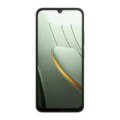
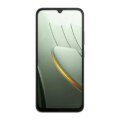
Poco C81 Pro Images
Full Specifications
Identification
| Phone ID A phone ID typically refers to a unique hardware identifier like an IMEI Number (International Mobile Equipment Identity) that distinguishes your specific physical phone from any other device. | POCO C81 Pro 4G |
| Brand / Model A brand model is a strategic framework that defines how a company builds, positions, and manages its identity to connect with customers and guide business decisions. | POCO C81 Pro 4G |
| Variant A variant is something that differs in some way from others of the same kind or from a standard. | 4 GB + 64 / 128 / 256 GB |
| Release date A release date is the specific day when a product, service, or official piece of information becomes available to the public | May 2026 (global) |
| Price A price is the amount of money or other compensation that a buyer gives to a seller to acquire a product or service | ₱6,999 (Philippines, 4+64); $109 for 4+128 (global) |
Smartphone Display
| Size Size means how large or small a person, object, or amount is | 6.9" |
| Resolution The measure of sharpness and detail in a digital photo, video, or screen, usually counted in pixels or dots per inch (DPI). | 720 x 1600 (HD+) |
| Panel type The panel type of a screen or monitor refers to the specific liquid crystal or diode technology used to display images, which dictates the screen's color accuracy, viewing angles, contrast, and speed. | IPS LCD |
| Refresh rate A refresh rate is the number of times per second a screen updates the image it shows. | 120 Hz |
| Peak brightness Peak brightness is the highest level of luminance a display screen can achieve for a brief moment in a small area. | 800 nits (650 typical) |
Smartphone Performance
| Operating system An operating system (OS) is the main system software that manages a computer's physical hardware and provides a base for other programs to run | Android 15, HyperOS 3 (up to 4 upgrades) |
| Chipset A chipset is a group of microchips on a computer's motherboard or electronic device that manages the flow of data between the CPU, memory, storage, and peripheral devices. | Unisoc T7250 |
| RAM RAM stands for Random Access Memory, which is a device's short-term memory used to temporarily store data that the processor needs right now. | 4 GB LPDDR4X |
| Internal storage Internal storage is the built-in, permanent memory inside a device like a smartphone, tablet, or computer used to hold the operating system, apps, and your personal files. | 64 / 128 / 256 GB, microSDXC slot |
| CPU cores A CPU core is an independent processing unit inside a computer's central processing unit (CPU) that reads and executes program instructions. | 8 cores (2x A75 @ 1.8 GHz + 6x A55 @ 1.6 GHz) |
| GPU A GPU stands for Graphics Processing Unit, which is a specialized electronic chip designed to rapidly render images, video, and 3D graphics. | Mali-G57 |
Camera
| Main camera A main camera (or primary camera) is the principal, highest-quality imaging lens and sensor system on a device—most commonly located on the rear of a smartphone. | 13 MP + 0.08 MP secondary |
| Front camera A front camera is a built-in lens on the same side as a device's screen—such as a smartphone, tablet, or laptop—that points directly at the user. | 8 MP |
| Video A video is an electronic recording of moving visual images, usually played with sound on a screen. | 1080p @ 30 fps (main) |
Smartphone Battery & Charging
| Battery Capacity Battery capacity is the total amount of electrical energy a battery can store and deliver, functioning much like the size of a fuel tank. | 6,000 mAh |
| Wired charging Wired charging means using a physical cable to connect a device directly to a power source to transfer electricity into its battery. | 15 W |
| Wireless Charging Wireless charging is a cable-free method that powers electronic devices by transferring energy through electromagnetic fields instead of a physical plug. |
Smartphone Connectivity
| 5G support 5G support means a device or network can connect to the fifth-generation cellular mobile network, delivering much faster download speeds and lower response times than older 4e and 4G LTE systems. | |
| SIM type A SIM (Subscriber Identity Module) type or size refers to the physical dimensions or digital architecture of the smart chip that connects your phone to a mobile network. | Dual Nano-SIM |
| Wi-Fi version A Wi-Fi version is a specific generation or technical standard of wireless networking technology that determines your device's speed, range, and connection quality. | Wi-Fi 5 (802.11ac), dual-band |
| Bluetooth version A Bluetooth version is the specific update level of the wireless rules that a device uses to connect and share data | 5.2 |
| NFC NFC stands for Near Field Communication, a short-range wireless technology that lets two electronic devices exchange data when they are placed a few centimeters apart. | |
| USB USB stands for Universal Serial Bus, a global standard connection for passing data, power, and video signals between computers and electronic devices. | USB-C 2.0 |
Build & Design
| Weight Weight is the downward force that gravity exerts on an object. | 208 g |
| Dimensions A dimension is a measurement in a specific direction (such as length, width, or height) or a distinct aspect, feature, or scope of a situation. | 171.6 x 79.5 x 8.2 mm |
| Water resistance rating A water resistance rating measures how much static water pressure a device or material can withstand before leaking or failing | Not confirmed |
| Dust rating A dust rating is the first number in an Ingress Protection (IP) code that shows how well a device keeps out solid objects and dust. | Dust proof |
| Materials A material is a physical substance or matter used to make objects, build structures, or create products | Glass front, plastic frame and back |
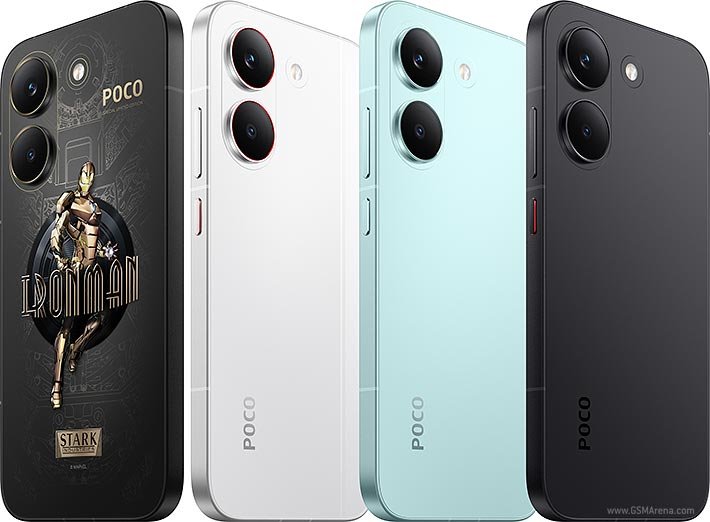
| Available colors different color choices that are ready for you to buy or pick for a product. | Black, Gold, Green |
Extras
| Biometrics Biometrics refer to the measurement and statistical analysis of unique physical and behavioral human characteristics used for identification and verification. | Side-mounted fingerprint |
| Audio Audio means sound, or the recording, transmission, and reproduction of sound within the range of human hearing. | 3.5 mm jack, FM radio; speaker up to 200% volume |
User Reviews
More Products from Poco




New Arrivals





Popular Posts