










Redmi 17 vs Poco C95 Pro
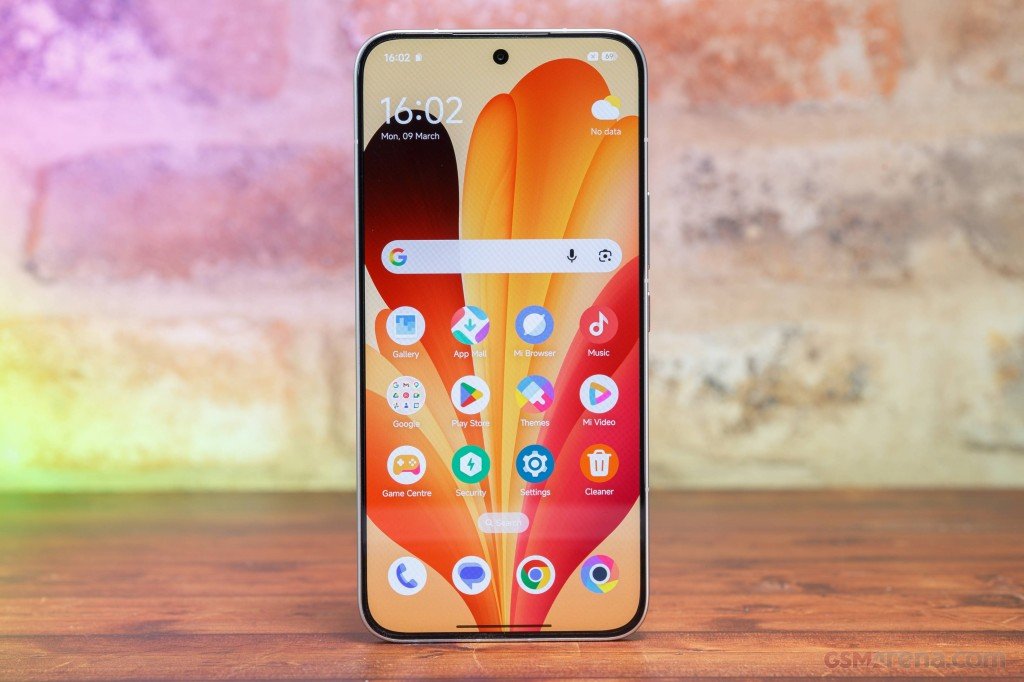
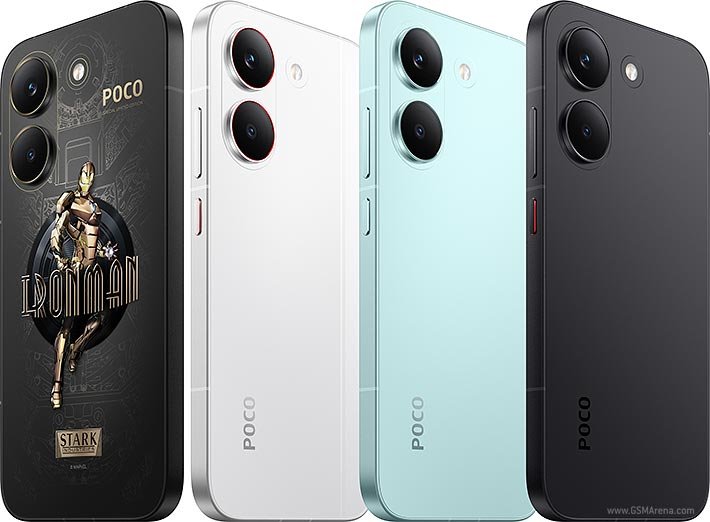
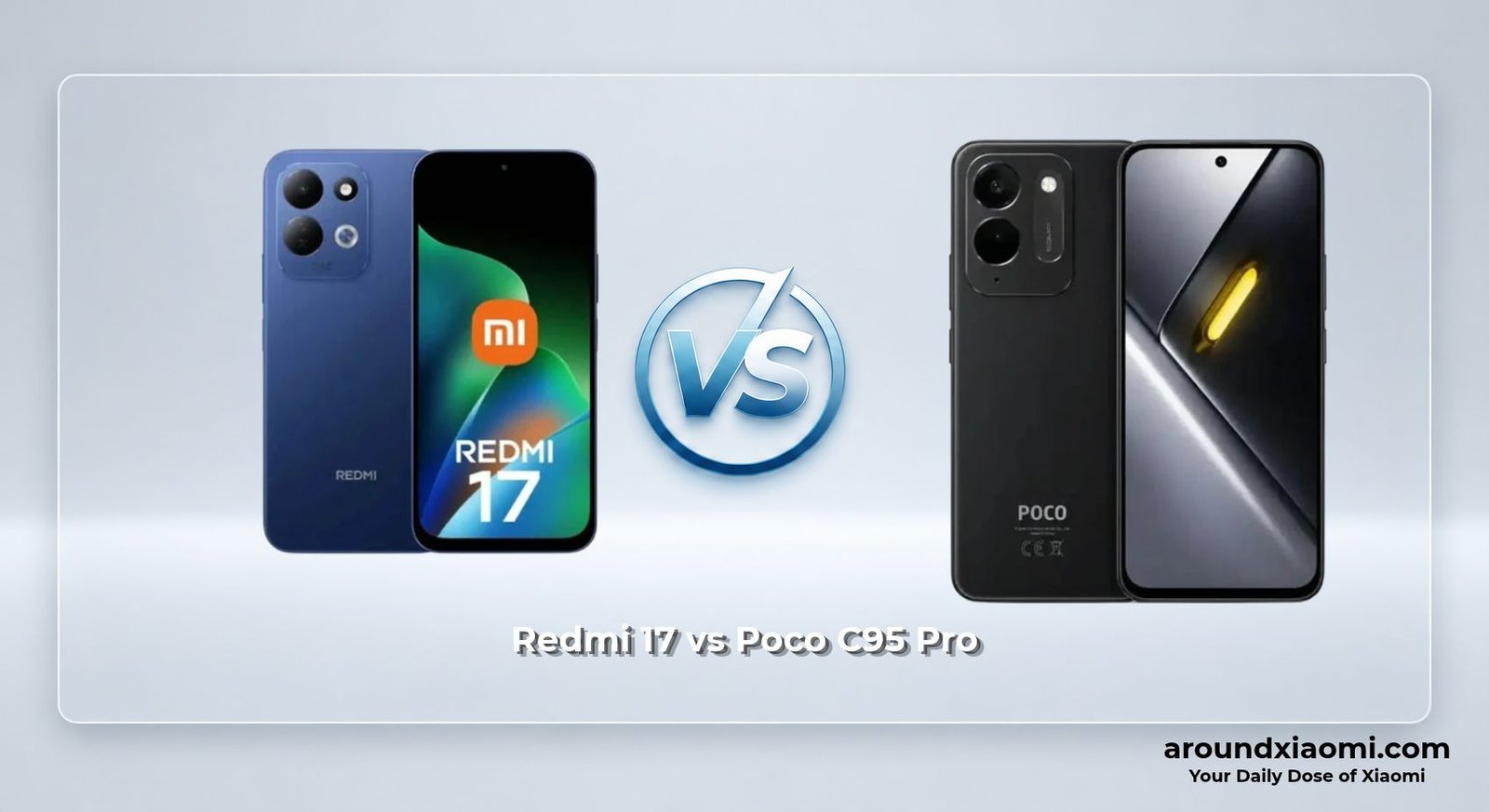
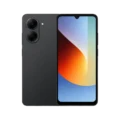
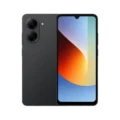
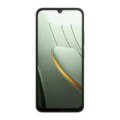
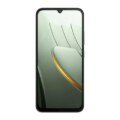
Redmi 17 vs Poco C95 Pro, These are two cheap Xiaomi phones with a 6.9-inch screen and a very large battery. The Redmi 17 is the mainstream pick, easy to buy and service locally, with 5G available. The Poco C95 Pro is the value pick. It borrows its look from the Redmi Note series and is aimed at people who want storage and battery for as little money as possible. It just debuted, a few weeks after the Redmi 17 hit sale in India, which is why people are comparing them.
Redmi 17 vs Poco C95 Pro Specs
The hardware overlaps a lot. The C95 Pro has a 6.9-inch HD+ LCD at 120Hz, a Helio G91 Ultra chip, up to 8GB of RAM, a microSD slot and a 7,500mAh battery with 45W charging. The Redmi 17 4G has the same chip. The 5G model swaps in a Snapdragon 4 Gen 5, and the Indian version gets 7,900mAh. Cameras are the same on paper, with a 50MP main sensor. The Redmi also has an RGB light for notifications. Everything here is the manufacturers’ numbers. I haven’t seen independent battery tests, so treat my guess of one full day and a bit more as a guess.
Redmi 17 vs Poco C95 Pro Price
The C95 Pro is $169 (6GB/128GB) or $199 (8GB/256GB) in places like the EU and Singapore. The Redmi 17 4G is MYR 669 in Malaysia, the 5G MYR 769, and in India the 5G starts at Rs 23,999. So the real question is whether 5G and easier local availability are worth a small premium.
If you have more to spend, Redmi’s Note 17 adds an AMOLED screen and an 8,000mAh battery from Rs 27,999. Poco’s M8x 5G is a cheaper 5G route at ₹20,995. Outside Xiaomi, the Infinix Hot 70 Pro has a 144Hz screen and a 5G chip. I’d still start with these two. They are close to the same phone, so price decides it.
The Poco costs less and offers 256GB, which helps if you keep a lot of video, but 4G-only will age badly. The Redmi 17 5G has the faster chip and bigger battery, but you pay more for it. Neither screen is sharp, and that will bother you if you watch a lot of video.
Choose the Poco C95 Pro if price and storage matter most and 4G is enough where you live. Choose the Redmi 17 5G if you want 5G, more battery and easy local support. If the Redmi 17 4G is the same price as the Poco, buy whichever one is cheaper.

| |
| Price | $188.00 $133.00 |
| Our Rating | |
| Brand | Redmi Poco |
| Category | Xiaomi Smart Phones Xiaomi Smart Phones |
Identification
| Phone ID A phone ID typically refers to a unique hardware identifier like an IMEI Number (International Mobile Equipment Identity) that distinguishes your specific physical phone from any other device. | Model number 26062RN92G Model number not published |
| Brand / Model A brand model is a strategic framework that defines how a company builds, positions, and manages its identity to connect with customers and guide business decisions. | Xiaomi Redmi 17 5G Poco (Xiaomi) C95 Pro |
| Variant A variant is something that differs in some way from others of the same kind or from a standard. |
6GB/128GB and 8GB/128GB in India; 128GB and 256GB options in the Benelux
6GB + 128GB 8GB + 256GB (LPDDR4X + eMMC 5.1); availability varies by region |
| Release date A release date is the specific day when a product, service, or official piece of information becomes available to the public | India launch September 3, 2026, sale from September 10, 2026; global launch from August 2026 October 1, 2026 (Singapore launch) |
| Price A price is the amount of money or other compensation that a buyer gives to a seller to acquire a product or service |
MYR 769 (Malaysia); Rs 23,999 / Rs 26,999 (India); from €249.90 (Benelux) S$169 (6GB/128GB) S$199 (8GB/256GB) at Singapore launch |
Smartphone Display
| Size Size means how large or small a person, object, or amount is | 6.9 inches 6.9 inches |
| Resolution The measure of sharpness and detail in a digital photo, video, or screen, usually counted in pixels or dots per inch (DPI). | 720 x 1600 (HD+), about 254 ppi 1600 x 720 (HD+) |
| Panel type The panel type of a screen or monitor refers to the specific liquid crystal or diode technology used to display images, which dictates the screen's color accuracy, viewing angles, contrast, and speed. | IPS LCD, Corning Gorilla Glass 7i LCD |
| Refresh rate A refresh rate is the number of times per second a screen updates the image it shows. | Adaptive 60-120Hz, 240Hz touch sampling Up to 120Hz adaptive; touch sampling up to 240Hz |
| Peak brightness Peak brightness is the highest level of luminance a display screen can achieve for a brief moment in a small area. | 825 nits 675 nits typical, 825 nits in high brightness mode (HBM) |
Smartphone Performance
| Operating system An operating system (OS) is the main system software that manages a computer's physical hardware and provides a base for other programs to run | Android 16, HyperOS 3 Xiaomi HyperOS 3. Android 16 |
| Chipset A chipset is a group of microchips on a computer's motherboard or electronic device that manages the flow of data between the CPU, memory, storage, and peripheral devices. | Qualcomm Snapdragon 4 Gen 5 MediaTek Helio G91-Ultra (12nm) |
| RAM RAM stands for Random Access Memory, which is a device's short-term memory used to temporarily store data that the processor needs right now. | 6GB or 8GB LPDDR4X 6GB or 8GB LPDDR4X; up to 16GB with memory extension (based on the 8GB model) |
| Internal storage Internal storage is the built-in, permanent memory inside a device like a smartphone, tablet, or computer used to hold the operating system, apps, and your personal files. | 128GB; microSD up to 2TB 128GB or 256GB eMMC 5.1; microSD up to 2TB |
| CPU cores A CPU core is an independent processing unit inside a computer's central processing unit (CPU) that reads and executes program instructions. | Octa-core: 2 cores at 2.4GHz plus 6 cores at 2GHz Octa-core: Cortex-A75 (up to 2.0GHz) + Cortex-A55 |
| GPU A GPU stands for Graphics Processing Unit, which is a specialized electronic chip designed to rapidly render images, video, and 3D graphics. | Adreno 629 Mali-G52 MC2 |
Camera
| Main camera A main camera (or primary camera) is the principal, highest-quality imaging lens and sensor system on a device—most commonly located on the rear of a smartphone. |
50MP primary plus a 2MP auxiliary lens
50MP, f/1.8, 5P lens 2MP auxiliary lens |
| Front camera A front camera is a built-in lens on the same side as a device's screen—such as a smartphone, tablet, or laptop—that points directly at the user. | 8MP 8MP, f/2.05 |
| Video A video is an electronic recording of moving visual images, usually played with sound on a screen. |
Both cameras record 1080p at 30fps. No 4K and no OIS.
(main) - 1080p at 30fps, 720p at 30fps (front) - 1080p at 30fps, 720p at 30fps |
Smartphone Battery & Charging
| Battery Capacity Battery capacity is the total amount of electrical energy a battery can store and deliver, functioning much like the size of a fuel tank. | 7,500mAh (7,900mAh in India) 7,500mAh |
| Wired charging Wired charging means using a physical cable to connect a device directly to a power source to transfer electricity into its battery. | 45W, plus 22.5W reverse wired 45W; 96 minutes to full per Poco; 22.5W wired reverse charging. No charger in the box. |
| Wireless Charging Wireless charging is a cable-free method that powers electronic devices by transferring energy through electromagnetic fields instead of a physical plug. |
Smartphone Connectivity
| 5G support 5G support means a device or network can connect to the fifth-generation cellular mobile network, delivering much faster download speeds and lower response times than older 4e and 4G LTE systems. | |
| SIM type A SIM (Subscriber Identity Module) type or size refers to the physical dimensions or digital architecture of the smart chip that connects your phone to a mobile network. | Dual SIM Hybrid slot: two SIMs or one SIM plus microSD |
| Wi-Fi version A Wi-Fi version is a specific generation or technical standard of wireless networking technology that determines your device's speed, range, and connection quality. | Wi-Fi 5 (802.11 a/b/g/n/ac) Dual-band 2.4GHz and 5GHz |
| Bluetooth version A Bluetooth version is the specific update level of the wireless rules that a device uses to connect and share data | 5.1 5.4 (AAC, SBC, LDAC) |
| NFC NFC stands for Near Field Communication, a short-range wireless technology that lets two electronic devices exchange data when they are placed a few centimeters apart. | |
| USB USB stands for Universal Serial Bus, a global standard connection for passing data, power, and video signals between computers and electronic devices. | USB Type-C; USB On-The-Go supported USB Type-C |
Build & Design
| Weight Weight is the downward force that gravity exerts on an object. | 232 g 232g |
| Dimensions A dimension is a measurement in a specific direction (such as length, width, or height) or a distinct aspect, feature, or scope of a situation. | 170.12 x 78.42 x 8.8 mm 170.12 x 78.42 x 8.8mm |
| Water resistance rating A water resistance rating measures how much static water pressure a device or material can withstand before leaking or failing | IP64 (splash resistant) IP64 (splash resistant, not submersible) |
| Dust rating A dust rating is the first number in an Ingress Protection (IP) code that shows how well a device keeps out solid objects and dust. | IP64 (dust protected) IP64 (dust tight) |
| Materials A material is a physical substance or matter used to make objects, build structures, or create products | Plastic frame and plastic back; Gorilla Glass 7i on the display Gorilla Glass 7i on the front; "metal deco" trim |
| Available colors different color choices that are ready for you to buy or pick for a product. | Black, Deep Blue, Vivid Orange (Malaysia); Eternal Orange, Endless Blue, Absolute Black (India) Black, Blue, Green |
Extras
| Biometrics Biometrics refer to the measurement and statistical analysis of unique physical and behavioral human characteristics used for identification and verification. | Side-mounted fingerprint sensor Side-mounted fingerprint sensor, AI face unlock |
| Audio Audio means sound, or the recording, transmission, and reproduction of sound within the range of human hearing. | Stereo speakers with a 300% volume booster; 3.5mm headphone jack Dual stereo speakers, 3.5mm headphone jack, FM radio |


|
New Arrivals



Popular Posts