

- Main Catalog
- Electric Cars
- Xiaomi SU7 Ultra
Xiaomi SU7 Ultra
- DriveTrain:
- Body Type:
- Battery Capacity:
- Autonomous Driving Level:
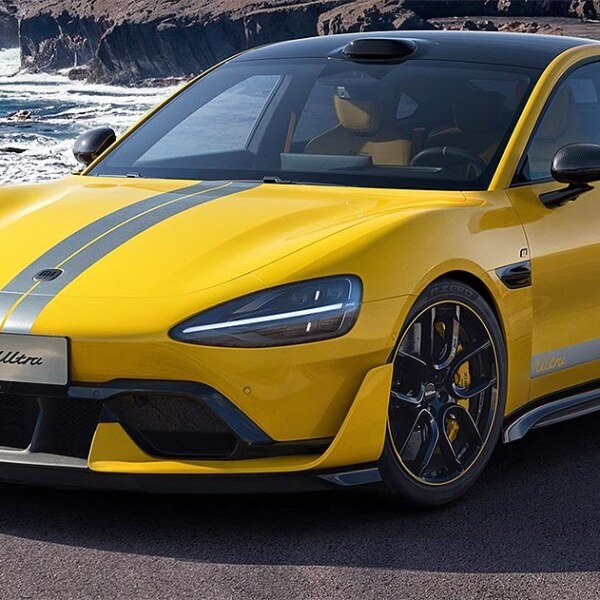
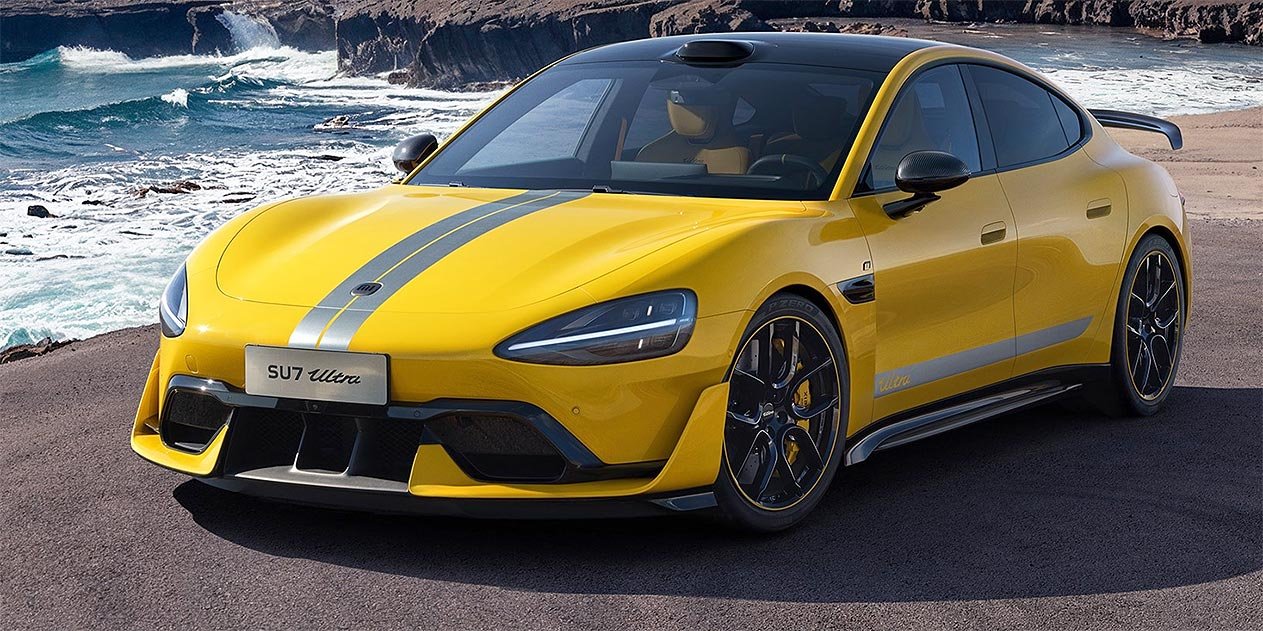
The Xiaomi SU7 Ultra tops Xiaomi’s SU7 lineup: tri-motor AWD, 1,548 hp, 1,770 Nm. It’s the company’s halo car, except you can actually walk into a showroom and buy one — it holds a Nürburgring lap record among production electric sedans, set by the same car you’d drive to work, not some gutted prototype.
Power comes from a CATL Qilin II pack (NMC chemistry, 93.7 kWh usable, 897V architecture). Range is where it gets messy — CLTC figures bounce between 620 and 700 km depending on the source, and there’s no WLTP or EPA number since Xiaomi hasn’t exported this car yet. Plan around the lower figure until that changes. Charging is the one area where the specs actually hold up: 11 kW AC, up to 480 kW DC peak on Xiaomi’s own network, claimed 10-80% in 11 minutes. A few international listings cite 410 kW and 12 minutes instead — probably a charger limitation, not a hardware difference, but Xiaomi hasn’t said either way.
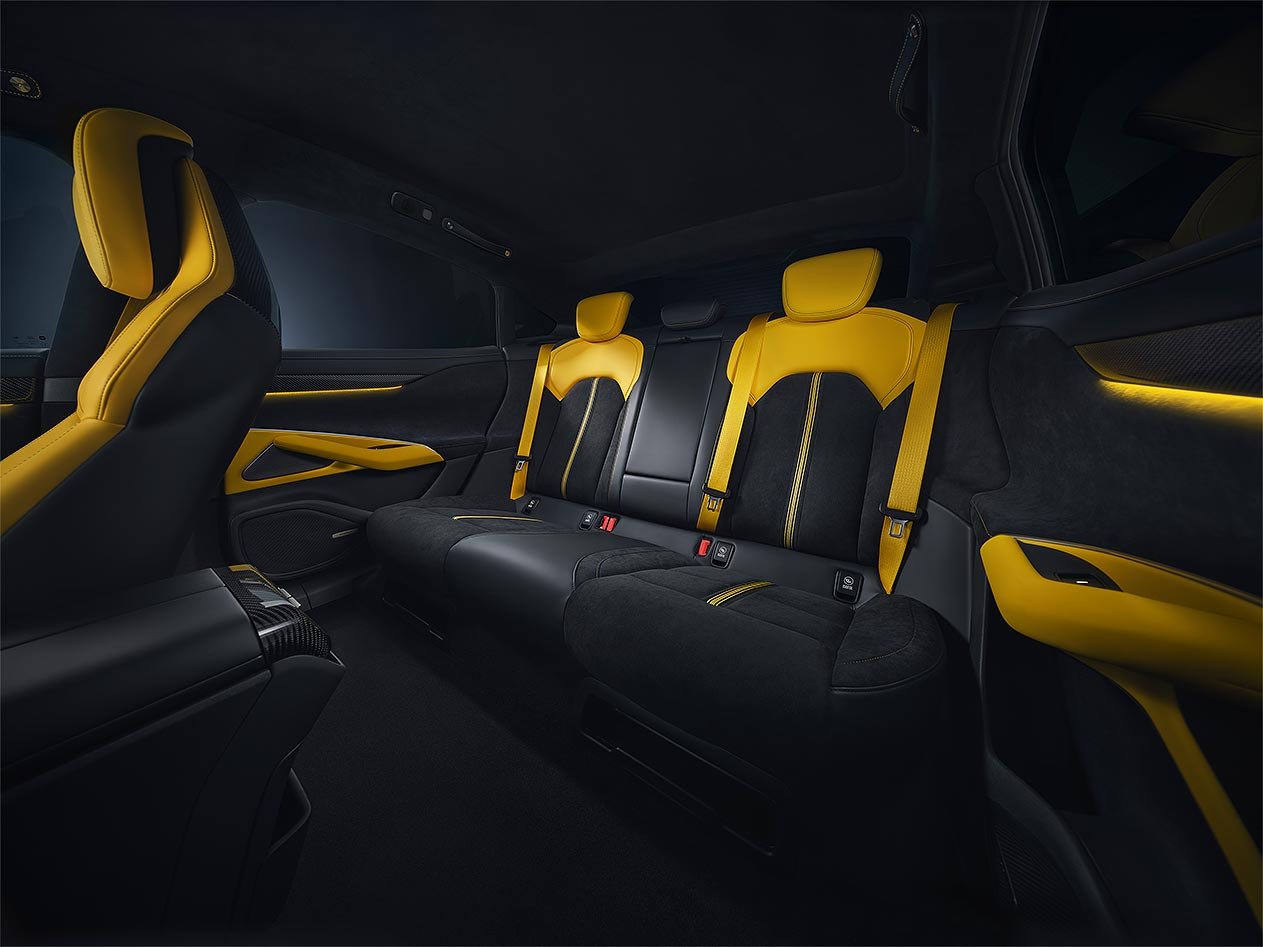
China pricing starts at RMB 529,900 (roughly $73,000), a Track Package adds RMB 100,000, and the Nürburgring Limited Edition tops out at RMB 814,900. Skip this one if you need rear-seat comfort or a soft ride — it’s firm, track-tuned, and not built for fleet duty. Within the SU7 family it sits above the single-motor Standard and dual-motor Pro/Max. Outside Xiaomi, the closest rivals are the Tesla Model S Plaid and Porsche Taycan Turbo GT — and Model S Plaid is the one worth building your comparison piece around, since it’s what people are actually searching.
Xiaomi SU7 Ultra Images
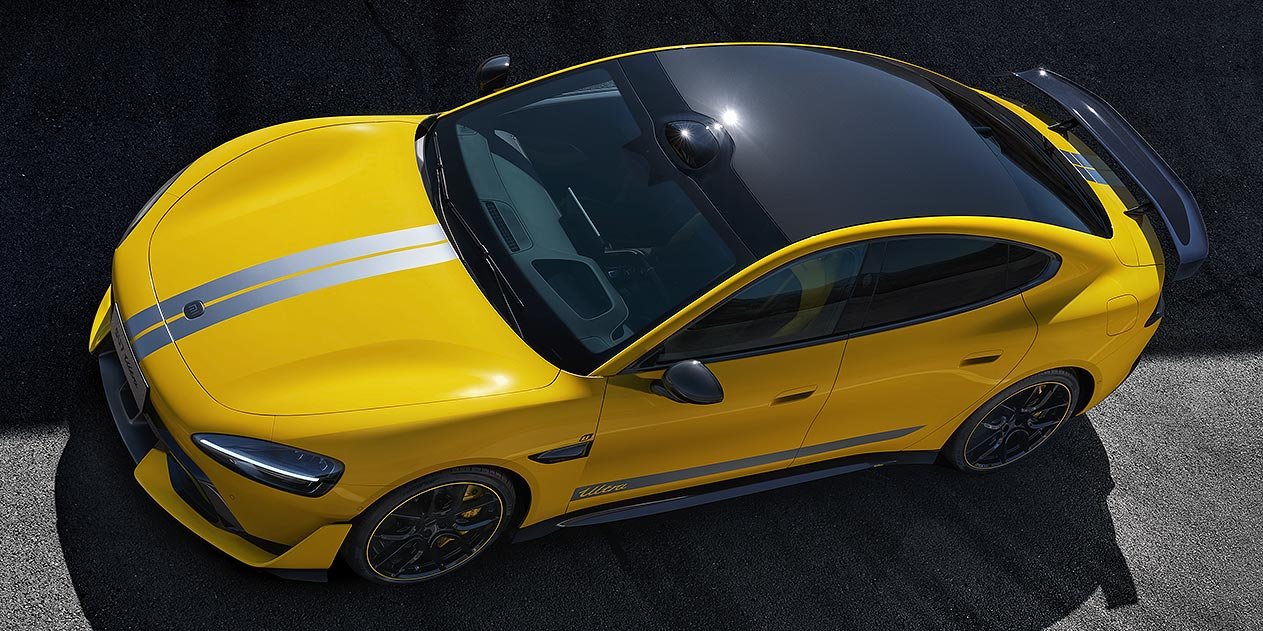
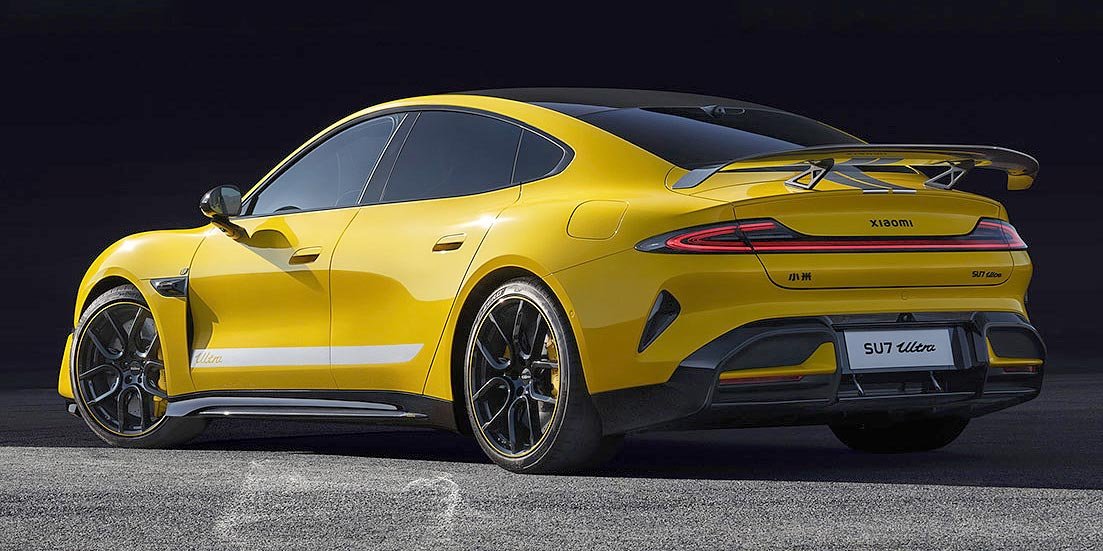
Full Specsification
MODEL
PRICE & AVAILABILITY
BATTERY & CHARGING
PERFORMANCE
BODY & DIMENSIONS
SAFETY & DRIVER ASSISTANCE
COMFORT & SEATING
| Wireless Charging Wireless charging is a cable-free method that powers electronic devices by transferring energy through electromagnetic fields instead of a physical plug. |
DISPLAYS & CONNECTIVITY
| Mirror Link MirrorLink is a connectivity standard that projects a smartphone’s screen and compatible apps onto a car's built-in infotainment dashboard. | |
| Apple CarPlay Apple CarPlay is a smart software standard created by Apple that puts an iPhone interface directly onto a car's built-in display screen. | |
| Android Auto Android Auto is a software platform developed by Google that projects a driver-safe, simplified version of your Android phone onto your car's central dashboard display |
KEY EV TECH
| Vehicle-to-Load (V2L) Vehicle-to-Load (V2L) is a bidirectional charging feature in some electric vehicles (EVs) that turns the car's high-voltage battery into a mobile power source for external electrical devices. | |
| Vehicle-to-Grid (V2G) Vehicle-to-Grid (V2G) is a system that allows electric vehicles (EVs) to send stored electricity back into the public power grid using bidirectional (two-way) chargers. |
ADDITIONAL SPECS
| Adaptive Headlights Adaptive headlights are intelligent vehicle lighting systems that automatically change their direction, range, or brightness to match driving conditions and improve nighttime visibility. | |
| Face Recognition Face recognition is a technology that uses computers to identify or verify a person's identity by analyzing unique facial features from a digital image or video. | |
| Fingerprint Sensor A fingerprint sensor is an electronic biometric hardware device that captures the unique pattern of ridges and valleys on a fingertip to identify and authenticate a person. | |
| Remote Parking Remote parking means an advanced driver-assistance technology that lets you park or move your vehicle using a smartphone app or a key fob while standing outside the car. |
NOTE
User Reviews
Product FAQ
Is the Xiaomi SU7 Ultra available outside China?
Not yet. It's sold only in China as of now, with Xiaomi targeting global expansion no earlier than 2027.
How much does the Xiaomi SU7 Ultra cost?
It starts at RMB 529,900 (roughly $73,000 USD) in China. The Nürburgring Limited Edition tops out at RMB 814,900.
What's the range of the Xiaomi SU7 Ultra?
CLTC-rated range sits somewhere between 620 and 700 km depending on the source — Xiaomi hasn't published an official WLTP or EPA figure since the car isn't sold outside China yet. Plan around the lower number.
How fast does it charge?
DC fast charging peaks at up to 480 kW, with a claimed 10–80% charge in about 11 minutes on Xiaomi's own network. AC home charging tops out at 11 kW, taking roughly 8.5 hours for a full charge.
How powerful is the SU7 Ultra?
1,138 kW (1,548 hp) combined from three motors, with 1,770 Nm of torque. It does 0–100 km/h in 1.98 seconds and tops out at 350 km/h.
Is the SU7 Ultra just a track car, or can you drive it daily?
It's road-legal and street-registered — it's not a stripped concept car. It holds a Nürburgring lap record among production EV sedans, but the same car is sold for daily use. That said, the ride is firm and it's tuned for performance over comfort, so it's better suited to enthusiasts than commuters or families.
What's the battery warranty?
8 years or 160,000 km.
Does it have advanced driver-assistance features?
Yes — Xiaomi HAD, running on dual NVIDIA DRIVE Orin X chips with LiDAR. It's an L2+ system (driver assistance), not full self-driving.
What are its closest competitors?
Within Xiaomi's own lineup, it sits above the single-motor SU7 Standard and dual-motor SU7 Pro/Max. Outside the brand, its closest rivals by price and performance are the Tesla Model S Plaid and Porsche Taycan Turbo GT — with Model S Plaid being the most natural head-to-head comparison.
Has it been crash tested?
No official C-NCAP or Euro NCAP rating has been published yet.
Disclaimer Note
You can write your own disclaimer from APS Settings -> General -> Disclaimer Note.