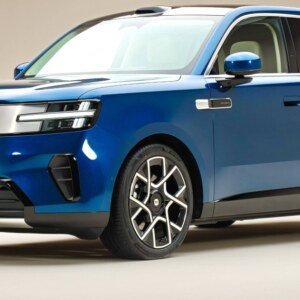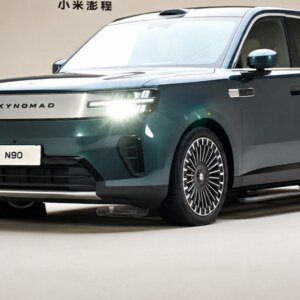






SkyNomad N70 Max vs SkyNomad N90 Max, Neither of these is a pure EV. Both are range-extended SUVs (EREVs): a 76 kWh battery drives the wheels, and a small petrol engine only generates power when the battery runs low. They come from Xiaomi’s new SkyNomad sub-brand, which sits apart from its SU7 and YU7 EVs. The N70 Max is a five-seater for couples and small families. The N90 Max is a seven-seater for big families and long drives. Both went on sale in China on September 7, so buyers are choosing now.
SkyNomad N70 Max vs SkyNomad N90 Max Range
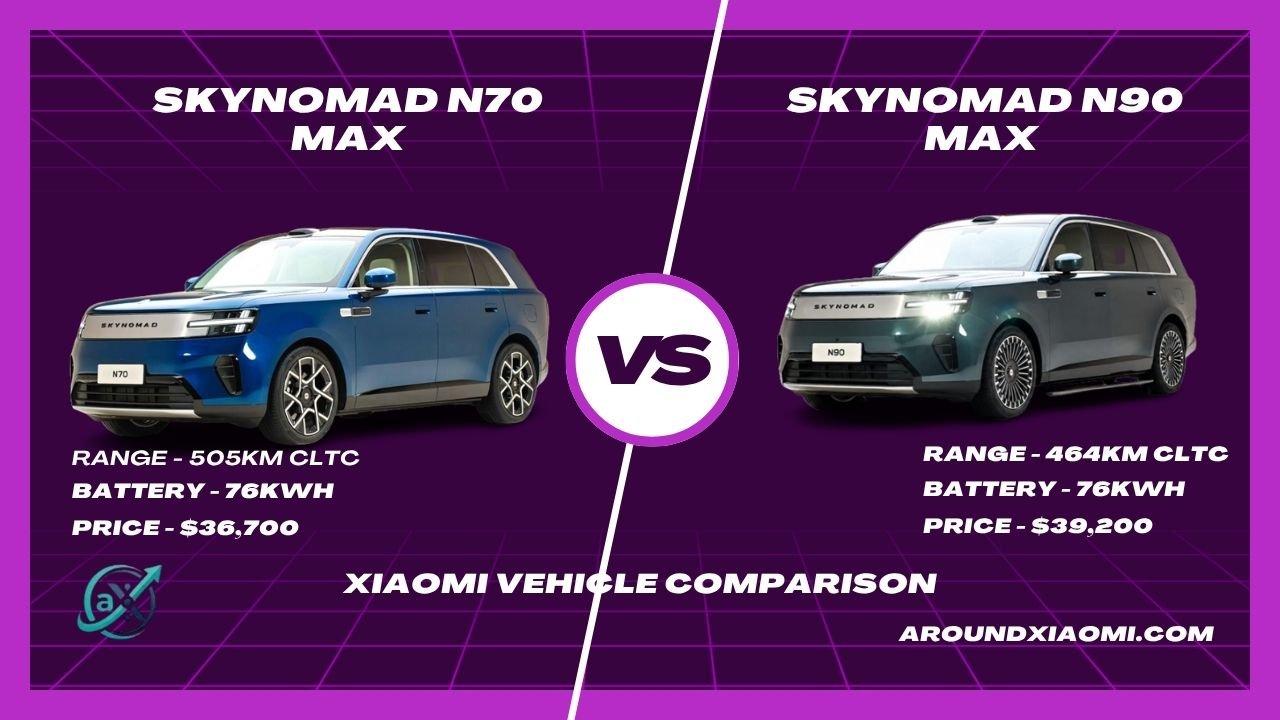
Both cars have the same battery and the same 310 kW dual-motor AWD system. The difference is range. The N70 Max is rated at 505 km on electric power alone, and the N90 Max at 464 km, with 1,705 km total once the engine kicks in. These are CLTC numbers, which run more generous than WLTP or EPA, and I found no independent real-world tests yet. Plan on noticeably less. Xiaomi says a 20–80% DC charge takes about 18 minutes, and 15 minutes adds roughly 285 km. I couldn’t find a 10–80% time, a peak DC speed or an AC figure.
SkyNomad N70 Max vs SkyNomad N90 Max Price
Pre-sale prices were 259,900 yuan (about $38,400) for the N70 Max and 299,900 yuan for the N90 Max. One report lists launch prices at 239,900 and 269,900 yuan, so check the final number with a dealer. The N70 also comes in a cheaper Pro trim. The N90 has an Explorer Edition with a lift-up roof for camping. Both are China-only for now. If you need five seats and the most electric range, the answer is the N70. If you regularly carry more than five people, it’s the N90.
SkyNomad N70 Max vs SkyNomad N90 Max Rivals
Inside Xiaomi’s range, the N70 Pro is the cheaper five-seat option, and the SU7 and YU7 suit anyone who doesn’t want an engine at all. Outside Xiaomi, the Li Auto L6 is the closest rival to the N70 Max, and the Zeekr 9X is the natural comparison for the N90 Max. The Leapmotor D19 is also worth a look. Comparing these two Xiaomi models makes sense because everything mechanical is shared. What you’re really choosing is size and seating.
Pros and cons
N70 Max. It has the longer electric range, so a lot of daily driving and weekend trips can happen without the engine starting. It costs less, which matters if you’ll never use a third row. It’s also shorter, at 4,960 mm, so parking is easier in the city. On the downside, it only seats five, so it won’t work for a big family or regular carpooling. It also has less cabin room, which you’ll notice if you pack heavily for long trips.
N90 Max. The 2+2+3 layout seats seven, so one car can cover a large family. The longer 3,080 mm wheelbase gives more room inside, and the seats can be reconfigured into a lounge-style layout when parked. The 1,705 km total range means fewer fuel stops on very long drives. On the other hand, electric range drops to 464 km, so the engine will come on sooner on mid-length trips. It also costs about 30,000 yuan more and is a big vehicle to squeeze through a city.
Quick verdict
Choose the N70 Max if you mostly carry up to five people and want the longest electric range for the lowest price. Choose the N90 Max if you often need seven seats or a bigger cabin, and you’re fine with about 40 km less electric range and a higher price. Performance is nearly identical. Neither is sold outside China yet, so confirm final pricing before you decide.